
Zuschneidfelle: The Choosing, Cutting, Using, and Maintaining Custom Climbing Skins
If you enjoy backcountry skiing or ski touring, you have likely heard the term zuschneidfelle. While the word may seem unfamiliar to English speakers, it simply refers to climbing skins that are trimmed to fit the exact shape of your skis. These custom-cut skins provide excellent grip while climbing snowy slopes and glide efficiently when traveling across winter terrain.
Modern zuschneidfelle have become an essential part of ski touring equipment. Whether you are a beginner planning your first adventure or an experienced skier exploring remote mountains, properly fitted climbing skins can improve safety, efficiency, and overall performance.
This guide explains everything you need to know about zuschneidfelle. You’ll learn how they work, how to choose the right material, how to trim them correctly, how to maintain them, and how to avoid common mistakes. Along the way, you’ll also discover expert insights and practical tips that go beyond the information found in many online articles.
What Are Zuschneidfelle?
Zuschneidfelle are climbing skins that are intentionally left wider than your skis so they can be trimmed for a perfect fit. The trimming process ensures that the metal ski edges remain exposed while most of the ski base stays covered by the skin.
This design creates the perfect balance between climbing grip and downhill performance.
Unlike universal skins that may not fit perfectly, zuschneidfelle are customized for your specific ski dimensions. The result is better traction, smoother movement, and fewer problems during long ski tours.
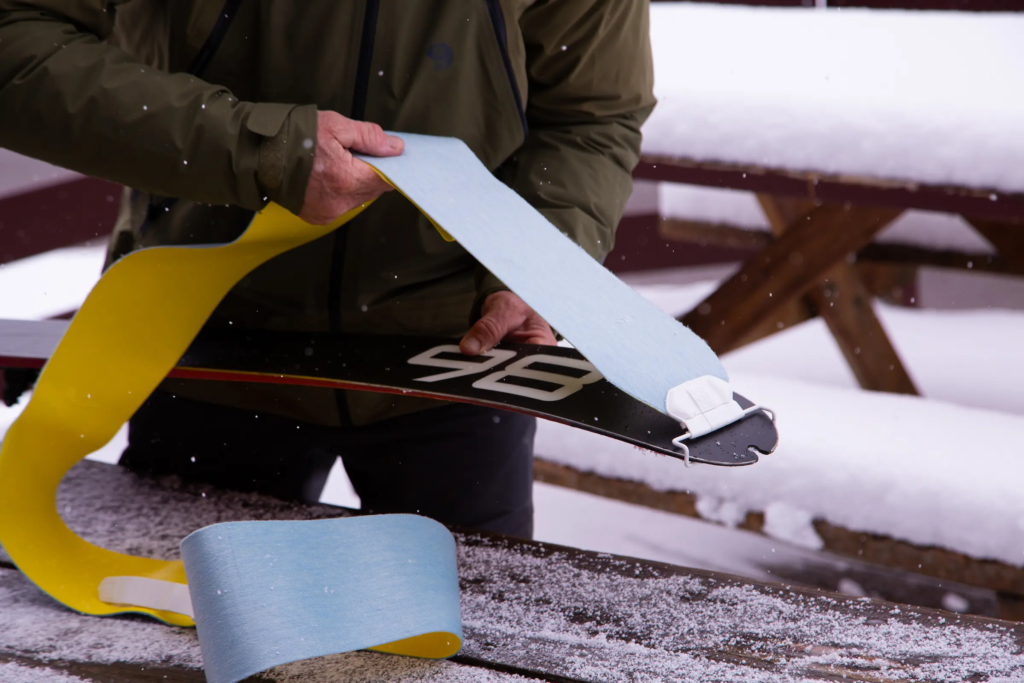
Today, many manufacturers sell trimming kits that include:
- Pre-cut skin material
- Tail clips
- Tip attachments
- Trimming knife
- Cutting guide
- Storage mesh
- Care instructions
These kits make it much easier for beginners to prepare their own climbing skins.
Why Custom-Cut Climbing Skins Matter
Many people wonder whether trimming climbing skins is really necessary. The answer is yes.
Every ski has a different width, sidecut, and length. A skin that is too wide covers the metal edges, making it difficult to control the ski on icy terrain.
A skin that is too narrow leaves too much ski base exposed, reducing climbing grip.
Properly trimmed zuschneidfelle provide several important advantages:
- Better uphill traction
- Improved glide efficiency
- Reduced snow buildup
- Better edge control
- Longer skin lifespan
- Improved skiing confidence
Even a few millimeters of incorrect trimming can affect overall performance during long climbs.
How Zuschneidfelle Work
The bottom surface of a climbing skin contains thousands of tiny fibers.
These fibers are designed to work in one direction.
When you move your ski forward, the fibers slide smoothly across the snow.
When you try to slide backward, the fibers grip the snow, preventing you from losing ground.
This simple but highly effective design allows skiers to climb steep mountains without slipping.
The adhesive side attaches securely to the ski base, while metal clips at the tip and tail keep the skin firmly in place.
Main Parts of a Climbing Skin
Understanding the different components helps you choose better zuschneidfelle.
Skin Plush
The plush is the fabric that contacts the snow.
Its material determines grip, glide, durability, and speed.
Adhesive Layer
The glue sticks the skin to the ski.
Modern adhesives are stronger, easier to remove, and perform better in cold weather than older formulas.
Some newer systems even use glue-free technology.
Tip Attachment
The front hook connects the skin securely to the ski tip.
Different manufacturers use different attachment designs.
Tail Clip
The adjustable tail clip maintains tension throughout the skin.
This prevents shifting while climbing.
Backing Material
The backing supports the plush fibers and helps maintain durability over years of use.
Materials Used in Zuschneidfelle
Choosing the right material is one of the most important decisions you’ll make.
Different fabrics offer different levels of grip, glide, durability, and weight.
Mohair
Mohair comes from Angora goats.
It has been used for climbing skins for decades because of its excellent gliding ability.
Advantages include:
- Lightweight
- Fast glide
- Quiet movement
- Excellent efficiency
- Comfortable for long tours
Disadvantages include:
- More expensive
- Wears faster
- Requires careful maintenance
Mohair is popular among experienced ski tourers who prioritize speed and efficiency.
Nylon
Nylon climbing skins are extremely durable.
They provide excellent grip in difficult conditions.
Advantages include:
- Outstanding durability
- Strong uphill traction
- Better resistance to rocks
- Lower cost
- Good choice for beginners
Disadvantages include:
- Slightly heavier
- Less glide
- More friction
Many first-time ski tourers begin with nylon zuschneidfelle because they are forgiving and long-lasting.
Hybrid Materials
Hybrid skins combine mohair and nylon.
These models balance speed with durability.
Benefits include:
- Better glide than nylon
- Better durability than pure mohair
- Balanced climbing grip
- Versatile performance
Many outdoor professionals consider hybrid skins the best all-around choice.
Mohair vs Nylon vs Hybrid Skins
Choosing between materials depends on your skiing style.
If you frequently climb long mountains and value speed, mohair may be the better option.
If you prioritize durability and steep climbing, nylon is an excellent choice.
If you want one pair for many conditions, hybrid zuschneidfelle often provide the best balance.
There is no single perfect material for every skier.
Instead, the ideal choice depends on your experience, climate, terrain, and personal preferences.
Benefits of Using Zuschneidfelle
Properly trimmed climbing skins offer much more than uphill grip.
They improve your entire ski touring experience.
Some of the biggest advantages include:
Improved Climbing Efficiency
Well-fitted skins reduce unnecessary friction while maintaining reliable traction.
This saves energy over long distances.
Better Ski Control
Leaving the metal edges exposed improves turning and stability on icy slopes.
Less Snow Accumulation
Correct trimming reduces snow buildup around the ski edges.
This keeps the skis lighter during long climbs.
Longer Equipment Life
Proper alignment reduces uneven wear.
The plush fibers last longer when the skin fits correctly.
Greater Safety
Reliable grip reduces the risk of slipping on steep ascents.
Although technique remains important, properly fitted zuschneidfelle contribute to safer travel.
Who Should Use Zuschneidfelle?
Custom climbing skins are useful for many winter athletes.
Also Read: Exhentaime: The Smarter Time Management, Higher Productivity, and Lower Stress
They are especially recommended for:
- Backcountry skiers
- Alpine touring enthusiasts
- Mountain guides
- Ski mountaineers
- Winter photographers
- Snow researchers
- Search and rescue teams
- Outdoor educators
Even recreational ski tourers benefit from the improved fit and efficiency.
How to Choose the Right Zuschneidfelle
Selecting the right climbing skins involves several factors.
Consider Ski Width
Always choose skins that are slightly wider than your ski.
This allows precise trimming.
Match Your Touring Style
Casual weekend tours may prioritize durability.
Competitive ski mountaineering may favor lightweight mohair.
Frequent mixed-terrain adventures often benefit from hybrid materials.
Check Attachment Systems
Some tip and tail clips fit certain ski shapes better than others.
Choose a system compatible with your skis.
Evaluate Snow Conditions
Cold, dry snow and warm spring snow place different demands on climbing skins.
If you tour in many conditions, hybrid zuschneidfelle provide greater versatility.
Think About Maintenance
Some adhesive systems require more care than others.
If you prefer low-maintenance equipment, newer adhesive technologies may be worth considering.
Measuring Your Skis Before Buying
Accurate measurements prevent trimming mistakes.
Measure:
- Ski length
- Tip width
- Waist width
- Tail width
Compare these dimensions with the manufacturer’s recommended skin size.
Many companies provide sizing charts that simplify the selection process.
Buying slightly wider skins is usually recommended because trimming removes excess material.
Buying skins that are too narrow cannot be corrected later.
Step-by-Step Guide to Cutting Zuschneidfelle
Many beginners feel nervous about trimming climbing skins.
Fortunately, the process is straightforward when done carefully.
Step 1: Clean the Ski Base
Remove dirt, wax residue, and moisture.
A clean surface helps position the skin correctly.
Step 2: Attach the Tip
Secure the front attachment.
Make sure the skin runs straight along the center of the ski.
Step 3: Stretch Toward the Tail
Pull the skin evenly without twisting.
Attach the tail clip if included.
Step 4: Begin Trimming
Use the trimming tool supplied with the kit.
Cut one side first while following the ski’s shape.
Step 5: Reposition the Skin
Shift the skin slightly.
Trim the opposite side so both metal edges remain visible.
Step 6: Inspect the Result
Check that:
- Both edges are evenly exposed.
- The skin lies flat.
- No wrinkles appear.
- The tip and tail remain secure.
A careful trimming job improves performance and reduces future maintenance.
Common Cutting Mistakes to Avoid
Even experienced users occasionally make trimming errors.
Avoid these common mistakes:
- Cutting too much material.
- Leaving the skin off-center.
- Forgetting to expose the ski edges.
- Using dull cutting tools.
- Rushing the trimming process.
- Ignoring the manufacturer’s instructions.
- Trimming on a dirty ski base.
Taking your time usually produces much better results than trying to finish quickly.
Tips for Better Performance
You can improve the effectiveness of your zuschneidfelle by following a few simple habits.
Store skins in a dry place after every tour.
Avoid placing adhesive sides directly on dirty surfaces.
Separate skins using storage mesh when recommended.
Dry them naturally instead of placing them near high heat.
Inspect the plush regularly for wear or damage.
Small maintenance habits can significantly extend the life of your climbing skins and ensure dependable performance throughout the ski season.
Advanced Techniques for Using Zuschneidfelle
Once your zuschneidfelle are properly trimmed, learning how to use them efficiently can make every ski tour safer and more enjoyable. Experienced ski tourers often save energy not because they are stronger, but because they know how to use their equipment correctly.
Maintain a Smooth Walking Motion
Instead of lifting your skis with every step, slide them forward across the snow. This technique allows the fibers of the climbing skins to work as designed while reducing fatigue.
A smooth, steady rhythm is more efficient than taking large, powerful steps.
Choose the Right Climbing Angle
Even the best zuschneidfelle have limits. Climbing directly up a steep slope requires more grip and more energy.
Whenever possible, use gentle switchbacks. This reduces strain on both your legs and your climbing skins.
Keep Your Weight Balanced
Distribute your weight evenly over each ski. Leaning too far back reduces the skin’s contact with the snow, making slips more likely.
Balanced body positioning helps maximize traction.
Avoid Ice Build-Up
Before attaching your skins, remove all snow and ice from the ski base.
Even a thin layer of ice between the ski and adhesive can reduce holding power.
Many experienced skiers carry a small cloth specifically for cleaning ski bases before applying their zuschneidfelle.
How to Care for Zuschneidfelle
Proper maintenance can extend the life of climbing skins by several seasons.
Many users replace skins earlier than necessary simply because they overlook basic care.
Dry Them After Every Tour
Moisture is one of the biggest enemies of climbing skins.
After returning home:
- Remove the skins from your skis.
- Hang them in a room with good airflow.
- Allow them to dry naturally.
- Keep them away from direct heat sources.
Excessive heat can damage both the plush material and the adhesive.
Keep the Adhesive Clean
The glue collects dirt over time.
Avoid placing the adhesive side directly on:
- Dirt
- Sand
- Tree bark
- Clothing
- Carpet
- Vehicle floors
Contaminants reduce adhesion and may require cleaning or regluing.
Inspect for Damage Regularly
Before every tour, examine your zuschneidfelle for:
- Torn plush
- Loose tail clips
- Bent tip hooks
- Worn fibers
- Weak adhesive
- Frayed edges
Finding problems early often prevents equipment failure in the mountains.
Cleaning Your Zuschneidfelle
Cleaning climbing skins requires care.
Using harsh chemicals can permanently damage the fibers or adhesive.
Cleaning the Plush
If the plush becomes dirty:
- Use a soft brush.
- Brush in the direction of the fibers.
- Remove dried snow and debris.
- Allow the skins to dry completely.
Avoid aggressive scrubbing.
Cleaning the Adhesive
If dirt builds up on the glue:
- Follow the manufacturer’s cleaning recommendations.
- Use products specifically designed for climbing skin adhesive if needed.
- Avoid household cleaners that may weaken the glue.
Proper cleaning restores much of the adhesive’s performance.
When Should You Replace the Glue?
Eventually, every climbing skin adhesive begins to lose effectiveness.
Signs include:
- Skins falling off during climbs
- Dirt permanently embedded in the glue
- Large sections with little stickiness
- Glue transferring onto the ski base
- Uneven adhesive coverage
Fortunately, many skins can be reglued instead of replaced.
This makes maintenance far more affordable than buying a completely new pair.
How to Store Zuschneidfelle During the Off-Season
Correct storage is just as important as proper use.
Store in a Cool, Dry Location
Avoid places with:
- High humidity
- Extreme heat
- Direct sunlight
- Dust accumulation
A climate-controlled closet is often an excellent storage location.
Use Storage Mesh
Many climbing skin kits include mesh sheets.
These prevent the adhesive from sticking to itself while allowing airflow.
If your skins did not include storage mesh, consider purchasing one.
Do Not Compress Them for Months
Avoid tightly folding skins under heavy equipment during summer storage.
Long-term pressure may deform the plush or damage the adhesive.
Common Problems and Their Solutions
Even high-quality zuschneidfelle occasionally develop issues.
Knowing how to troubleshoot these problems can save a ski tour.
Problem: Skins Keep Sliding Back
Possible causes:
- Incorrect trimming
- Poor adhesive
- Snow under the glue
- Loose tail clip
Solution:
Clean the ski base, adjust the attachment system, and inspect the adhesive.
Problem: Snow Sticks to the Plush
Possible causes:
- Wet snow conditions
- Worn waterproof treatment
- Dirty fibers
Solution:
Dry the skins thoroughly and consider applying a skin-specific waterproof treatment.
Problem: Adhesive Leaves Residue on the Ski
Possible causes:
- Aging glue
- Heat damage
- Improper storage
Solution:
Remove the residue carefully and consider regluing the skins.
Problem: Fibers Are Wearing Unevenly
Possible causes:
- Off-center trimming
- Poor walking technique
- Excessive rock contact
Solution:
Inspect the fit and adjust your climbing technique.
Expert Buying Tips
Choosing the right zuschneidfelle involves more than selecting a popular brand.
Also Read: Exhentaime: The Smarter Time Management, Higher Productivity, and Lower Stress
Experienced backcountry skiers often consider these factors.
Think Long-Term
A slightly more expensive skin may last several additional seasons.
The initial investment often provides better long-term value.
Match the Terrain
Different environments require different performance characteristics.
Frequent steep climbs may benefit from stronger grip.
Long alpine traverses often reward better glide.
Check Replacement Parts
Before purchasing, verify that replacement tail clips and tip attachments are available.
Being able to repair rather than replace your skins saves money over time.
Read Independent Reviews
Instead of relying only on manufacturer descriptions, look for long-term user experiences.
Pay particular attention to:
- Durability
- Adhesive performance
- Ease of trimming
- Performance in different snow conditions
Latest Innovations in Zuschneidfelle
Climbing skin technology continues to improve every year.
Several recent developments have changed the ski touring experience.
Improved Adhesive Systems
New adhesives provide:
- Better cold-weather performance
- Easier removal
- Less glue residue
- Longer service life
Some systems are also easier to refresh after years of use.
Glue-Free Technologies
Certain climbing skins now rely on advanced materials instead of traditional glue.
These systems are easier to clean and are less affected by dirt.
However, traditional adhesive skins remain popular because they have a long track record in a wide range of conditions.
Lighter Materials
Manufacturers continue to reduce weight without sacrificing durability.
Modern hybrid fabrics often offer an impressive combination of:
- Grip
- Glide
- Strength
- Reduced weight
For long-distance ski touring, even small weight savings can improve comfort over the course of a day.
Better Waterproof Treatments
Modern plush materials absorb less water.
This helps prevent:
- Ice formation
- Heavy skins
- Reduced grip
- Slow climbing
These improvements are especially valuable during spring tours when snow conditions change throughout the day.
Environmental Considerations
Outdoor enthusiasts increasingly look for equipment with a lower environmental impact.
Some manufacturers now use:
- Recycled synthetic fibers
- Reduced-solvent adhesives
- Sustainable packaging
- Longer-lasting construction to reduce waste
While no climbing skin is completely impact-free, choosing durable products and maintaining them properly reduces the need for frequent replacement.
Safety Tips When Using Zuschneidfelle
Climbing skins improve uphill movement, but they are only one part of safe backcountry travel.
Always remember to:
- Check avalanche forecasts before your trip.
- Carry essential avalanche safety equipment where appropriate.
- Learn proper navigation skills.
- Travel with a partner whenever possible.
- Tell someone your planned route.
- Practice using your equipment before attempting difficult terrain.
Well-maintained zuschneidfelle support safe travel, but good judgment and preparation remain essential.
Professional Maintenance Checklist
Following a routine inspection keeps your climbing skins performing at their best.
Before every tour:
- Inspect the plush for excessive wear.
- Check the adhesive for contamination.
- Test the tip attachment.
- Tighten the tail clip.
- Remove dirt from the ski base.
- Confirm the skins remain centered.
After every tour:
- Dry completely.
- Remove debris.
- Store properly.
- Check for damage.
- Keep away from excessive heat.
At the end of each season:
- Deep clean the plush.
- Inspect all hardware.
- Evaluate adhesive performance.
- Replace worn components if necessary.
- Store in a cool, dry location.
This simple routine can significantly extend the lifespan of your zuschneidfelle.
Common Myths About Zuschneidfelle
Several myths continue to circulate among beginners.
Myth 1: Wider Skins Always Perform Better
Reality: Oversized skins can cover the metal edges, reducing control and making trimming essential.
Myth 2: More Glue Means Better Performance
Reality: Excess adhesive can leave residue on skis and make removal difficult. Quality adhesive is more important than quantity.
Myth 3: Climbing Skins Never Need Maintenance
Reality: Regular cleaning, drying, and inspection greatly improve performance and longevity.
Myth 4: One Pair Works Perfectly in Every Condition
Reality: Snow type, terrain, temperature, and skiing style all influence which climbing skin performs best.
The Future of Zuschneidfelle
The future of zuschneidfelle is likely to focus on lighter materials, stronger fibers, smarter attachment systems, and more sustainable manufacturing.
Researchers are exploring textiles that improve grip without increasing drag, along with adhesives that maintain strong performance across a wider range of temperatures. As ski touring continues to grow in popularity, manufacturers are expected to invest even more in comfort, durability, and environmentally responsible production methods.
Also Read: Sodiceram: The Next-Generation Sodium-Infused Ceramic Transforming Modern Design and Industry
For consumers, these innovations mean climbing skins that are easier to use, last longer, and perform more consistently in changing mountain conditions.
Conclusion
Zuschneidfelle are one of the most important pieces of equipment for anyone who enjoys ski touring or backcountry skiing. Their custom-fit design provides reliable uphill grip while allowing enough glide for efficient travel across snowy terrain.
Choosing the right material, trimming the skins carefully, and following proper maintenance practices can dramatically improve your overall experience. Whether you prefer durable nylon, fast-gliding mohair, or a balanced hybrid design, investing time in selecting and caring for your climbing skins will pay off through better performance, increased safety, and a longer equipment lifespan.
As technology continues to evolve, modern zuschneidfelle are becoming lighter, more durable, and easier to maintain than ever before. By understanding how they work and adopting good maintenance habits, you can enjoy many successful winter adventures while getting the maximum value from your equipment.
Frequently Asked Questions (FAQs)
1. Can I reuse zuschneidfelle on a different pair of skis?
Yes, but only if the skis have very similar dimensions. Otherwise, the fit may be poor and affect performance.
2. How many seasons do climbing skins usually last?
With proper care, many users get between 100 and 200 touring days before needing significant repairs or replacement, depending on conditions and maintenance.
3. Is it possible to trim climbing skins more than once?
Minor adjustments are possible, but excessive trimming cannot be reversed. Always cut carefully the first time.
4. Do cold temperatures reduce adhesive performance?
Modern adhesives are designed for winter use, but snow, moisture, and dirt on the ski base can still reduce their effectiveness.
5. Should beginners buy pre-cut or zuschneidfelle?
Many beginners benefit from zuschneidfelle because they can be customized for a precise fit, improving both grip and control.
6. Can climbing skins become too old even if rarely used?
Yes. Adhesives and synthetic materials naturally age over time, even when stored. Regular inspections are recommended before each season.
7. Is professional trimming worth the extra cost?
If you’re uncertain about trimming or own expensive skis, professional trimming can provide peace of mind and ensure an accurate fit.
8. Can I repair a torn climbing skin at home?
Small edge frays or loose hardware can often be repaired with manufacturer-approved repair kits. Major damage may require professional service or replacement.
9. How often should I inspect my zuschneidfelle?
A quick inspection before and after every tour helps identify wear early and prevents unexpected issues in the backcountry.
10. What is the biggest mistake new users make?
The most common mistake is rushing the trimming process. Taking the time to center, measure, and cut carefully leads to better performance, improved durability, and a safer ski touring experience.