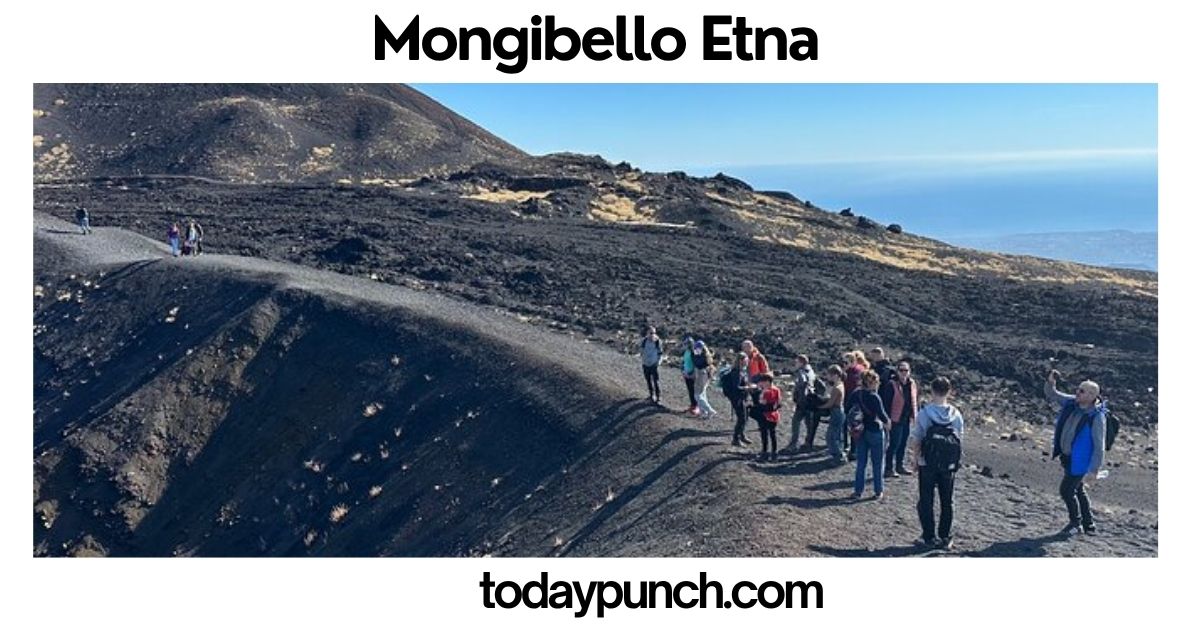
Mongibello Etna: The Complete Guide to Sicily’s Legendary Volcano, History, Nature, and Travel
When people think of famous volcanoes, names like Mount Fuji, Mount Vesuvius, and Mount St. Helens often come to mind. However, one of the world’s most fascinating volcanoes is Mongibello Etna, better known internationally as Mount Etna. Located on the eastern coast of Sicily, Italy, this remarkable natural wonder has shaped the island’s history, culture, economy, and landscape for thousands of years.
The term “mongibello etna” is much more than another name for Mount Etna. It reflects centuries of cultural influence from Greek, Arabic, Latin, and Italian civilizations. Today, Mongibello Etna stands as Europe’s tallest and most active volcano, attracting scientists, hikers, photographers, nature lovers, and millions of tourists every year.
Its frequent eruptions, breathtaking lava flows, fertile volcanic soil, and spectacular landscapes make it one of the most studied volcanoes on Earth. Despite its powerful nature, local communities have learned to live alongside it, transforming volcanic challenges into economic opportunities through agriculture, tourism, and scientific research.
This comprehensive guide explores everything you need to know about Mongibello Etna, including its history, geological formation, volcanic activity, ecosystems, travel opportunities, and cultural significance. Whether you are planning a trip or simply curious about one of Earth’s greatest natural wonders, this article provides valuable insights that go beyond standard travel guides.
What Is Mongibello Etna?
Mongibello Etna refers to Mount Etna, the massive stratovolcano located in northeastern Sicily, Italy. The name “Mongibello” has an interesting linguistic history and symbolizes the mountain’s long multicultural heritage.
Today, the volcano rises to more than 3,300 meters (around 11,000 feet), although its exact height changes regularly because of ongoing eruptions. New lava deposits and volcanic explosions continuously reshape the summit.
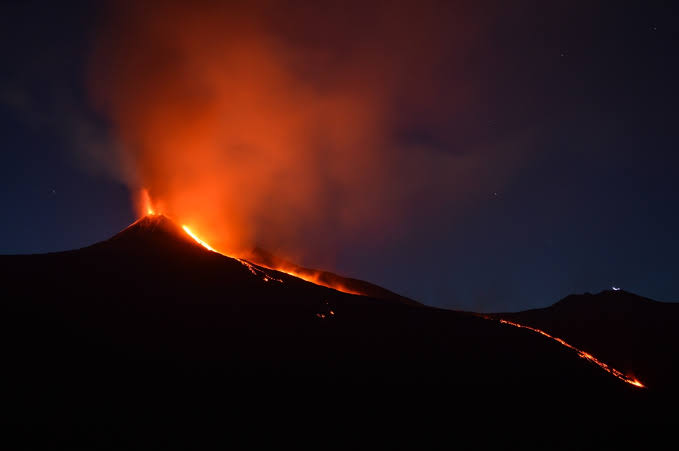
Mongibello Etna is famous for several reasons:
- Europe’s highest active volcano
- One of the world’s most active volcanoes
- UNESCO World Heritage Site
- Home to unique ecosystems
- Major tourist destination
- Important scientific research location
- Rich agricultural region
Unlike many volcanoes that remain dormant for centuries, Mongibello Etna experiences frequent eruptions, making it one of the most dynamic geological environments on Earth.
The Meaning Behind the Name Mongibello Etna
Many travelers wonder why the volcano has two names.
The word “Mongibello” comes from multiple languages that influenced Sicily throughout history.
The first part comes from the Arabic word “Jabal,” meaning mountain.
The second part comes from the Italian word “Monte,” which also means mountain.
Essentially, Mongibello means “Mountain Mountain.”
Although this may sound repetitive, it reflects Sicily’s multicultural past, where different civilizations merged languages over centuries.
Also Read: Mallory Plotnik: Biography, Age, Family, Husband, Career, and Facts
The name “Etna” originates from ancient Greek. Historians believe it may have evolved from the Greek word “Aitne,” meaning “I burn.”
Together, Mongibello Etna represents both the volcano’s physical identity and the rich cultural history surrounding it.
Where Is Mongibello Etna Located?
Mongibello Etna dominates the eastern side of Sicily, Italy’s largest island.
The volcano lies close to several important cities:
- Catania
- Taormina
- Messina
- Acireale
- Nicolosi
- Zafferana Etnea
Its location between the Ionian Sea and Sicily’s interior creates stunning scenery where volcanic mountains meet Mediterranean coastlines.
The surrounding region covers approximately 1,200 square kilometers, making it one of Europe’s largest volcanic areas.
Its strategic location has influenced trade routes, settlements, agriculture, and tourism for thousands of years.
Geological Formation of Mongibello Etna
Understanding Mongibello Etna requires looking millions of years into Earth’s geological history.
Unlike many volcanoes that formed directly above tectonic plate boundaries, Etna developed through a complex interaction of geological processes involving:
- African tectonic plate
- Eurasian tectonic plate
- Fault systems
- Magma chambers
- Crustal movements
Scientists estimate that volcanic activity in the region began approximately 500,000 years ago.
The current volcano gradually developed through repeated eruptions that layered lava, volcanic ash, rock fragments, and pyroclastic materials over countless centuries.
Each eruption added new material, slowly building the massive mountain visible today.
Modern geological research continues to reveal how magma travels beneath the volcano, improving eruption forecasting and hazard management.
Why Mongibello Etna Is So Active
One question scientists frequently study is why Mongibello Etna erupts so often.
Several factors contribute to its remarkable activity:
Continuous Magma Supply
Deep underground magma chambers receive a relatively constant supply of molten rock from Earth’s mantle.
This continuous replenishment means pressure rarely disappears entirely.
Complex Fault Systems
Numerous geological faults allow magma to travel upward through the Earth’s crust.
Instead of relying on one central vent, Mongibello Etna has hundreds of fractures and secondary vents.
Multiple Summit Craters
Rather than having only one crater, the volcano contains several active summit craters that may erupt independently or simultaneously.
This complex plumbing system makes Etna unique among active volcanoes.
Flexible Lava Composition
Etna’s lava is relatively fluid compared to more explosive volcanoes.
This allows many eruptions to produce spectacular lava fountains and flowing lava rivers rather than catastrophic explosions.
Volcanic Activity Through History
Historical records show that Mongibello Etna has erupted for thousands of years.
Ancient Greek historians documented eruptions long before modern scientific observation existed.
Some notable historical eruption periods include:
Ancient Civilization
Greek settlers witnessed eruptions and associated the volcano with gods and mythology.
Roman Period
Roman writers described lava flows affecting villages and farmland.
Middle Ages
Communities developed ways to adapt to recurring eruptions.
Many churches even organized religious processions asking for protection from volcanic activity.
Modern Era
Scientific monitoring has transformed how authorities prepare for eruptions.
Today, satellite technology, seismic monitoring, GPS measurements, and gas analysis provide early warning systems that greatly reduce risks.
Recent Activity and Changing Landscape
One fascinating aspect of Mongibello Etna is that it constantly changes.
Unlike static mountains, Etna evolves every year.
Recent decades have seen:
- New summit craters forming
- Lava flows creating fresh landscapes
- Ash emissions
- Lava fountains
- Ground deformation
- New hiking routes
- Temporary closures for visitor safety
Even the mountain’s height changes after significant eruptions.
This makes every visit slightly different from previous ones.
The Landscape Around Mongibello Etna
Few places in Europe offer scenery as diverse as the landscapes surrounding Mongibello Etna.
Visitors experience remarkable contrasts within short distances.
Black Lava Fields
Ancient lava flows create dramatic black rock deserts that resemble another planet.
Walking across cooled lava reveals fascinating textures formed by molten rock.
Dense Forests
Lower elevations feature:
- Oak forests
- Chestnut trees
- Pine forests
- Birch woodlands
These forests thrive thanks to fertile volcanic soils.
Alpine Zones
Higher elevations become increasingly barren.
Strong winds, colder temperatures, and volcanic deposits create alpine conditions rarely associated with southern Italy.
Snow-Covered Peaks
During winter, snow often blankets the summit while nearby beaches enjoy relatively mild Mediterranean weather.
This rare combination allows visitors to ski in the morning and visit the coast in the afternoon.
Unique Ecosystems and Biodiversity
Although volcanic terrain appears harsh, Mongibello Etna supports impressive biodiversity.
Its varying elevations create multiple ecological zones.
Wildlife includes:
- Foxes
- Rabbits
- Hedgehogs
- Birds of prey
- Songbirds
- Lizards
- Butterflies
Plant life varies dramatically with altitude.
Lower slopes support vineyards and orchards.
Mid-elevations contain dense forests.
Higher elevations feature hardy volcanic plants adapted to extreme conditions.
Some species found on Etna exist nowhere else on Earth, making conservation efforts especially important.
Why Volcanic Soil Is So Fertile
One surprising fact about Mongibello Etna is that destructive eruptions eventually create exceptionally productive farmland.
Volcanic ash contains minerals including:
- Potassium
- Magnesium
- Iron
- Calcium
- Phosphorus
As volcanic materials weather over time, these nutrients enrich the soil.
This explains why the region produces world-famous agricultural products.
Farmers grow:
- Grapes
- Pistachios
- Citrus fruits
- Olives
- Apples
- Pears
- Cherries
- Almonds
Many Sicilian wines owe their distinctive flavor to volcanic soils surrounding Mongibello Etna.
Climate Around Mongibello Etna
The volcano experiences several climate zones depending on elevation.
Coastal Areas
The nearby coast enjoys a Mediterranean climate with:
- Warm summers
- Mild winters
- Plenty of sunshine
Mid-Elevation
Temperatures become cooler.
Rainfall increases.
Forests flourish.
Summit Area
Conditions become much harsher.
Visitors may encounter:
- Snow
- Ice
- Strong winds
- Dense fog
- Freezing temperatures
Even during summer, the summit can feel surprisingly cold.
This dramatic climate variation makes proper clothing essential.
Best Time to Visit Mongibello Etna
Every season offers unique experiences.
Spring
Spring brings:
- Wildflowers
- Pleasant temperatures
- Green forests
- Clear hiking conditions
This is one of the best times for nature photography.
Summer
Summer offers:
- Long daylight hours
- Easier access
- Guided volcano tours
- Cable car operations
However, visitor numbers are highest during this season.
Autumn
Many experienced travelers prefer autumn because:
- Temperatures remain comfortable
- Vineyards become colorful
- Crowds decrease
- Photography conditions improve
Harvest season also allows visitors to experience local wine festivals.
Also Read: HSNIME: The Complete Guide to the Emerging Anime Streaming Platform
Winter
Winter transforms Mongibello Etna into a snow-covered mountain.
Visitors can enjoy:
- Skiing
- Snowboarding
- Snowshoeing
- Winter photography
Few active volcanoes in the world offer skiing with views of the Mediterranean Sea.
Mongibello Etna and Sicilian Culture
For centuries, the volcano has influenced every aspect of Sicilian life.
Rather than viewing it only as a threat, local people often consider Etna a source of life.
Its influence appears in:
- Literature
- Folklore
- Religious traditions
- Festivals
- Cuisine
- Architecture
- Local art
Generations have passed down stories explaining eruptions through myths, legends, and historical events.
Modern Sicilians continue to celebrate the volcano as both a natural wonder and an important part of regional identity.
Ancient Myths and Legends
Long before geology explained volcanic eruptions, ancient civilizations created fascinating stories about Mongibello Etna.
Greek mythology claimed that the giant Typhon was trapped beneath the mountain by Zeus. According to legend, Typhon’s struggles caused earthquakes, while his fiery breath erupted from the volcano.
Another popular myth linked the volcano to Hephaestus, the Greek god of fire and blacksmiths. People believed his underground workshop was located inside Etna, where he forged powerful weapons for the gods.
These legends shaped the cultural identity of Sicily for centuries and still inspire literature, art, and local storytelling today.
UNESCO World Heritage Recognition
In 2013, Mount Etna was recognized as a UNESCO World Heritage Site due to its exceptional geological importance.
The designation acknowledges several outstanding qualities, including:
- Continuous volcanic activity documented over thousands of years
- Significant contribution to geological science
- Outstanding natural beauty
- Diverse volcanic landforms
- Valuable ecosystems
- Global importance for volcanology research
UNESCO recognition has also strengthened conservation efforts, helping preserve the volcano’s unique landscapes while supporting responsible tourism.
Visiting Mongibello Etna: What to Expect
A visit to Mongibello Etna is unlike visiting a typical mountain or national park. The landscape changes frequently because of volcanic activity, making every trip unique. Some visitors come to hike across ancient lava fields, while others take guided tours to the summit or enjoy local food and wine in nearby villages.
Whether you have only a few hours or several days, there are plenty of ways to experience this extraordinary destination.
Entry and Access
There is no general entrance fee to explore many public areas around Mongibello Etna. However, some attractions and services require payment, such as:
- Cable car rides
- Guided summit tours
- Off-road vehicle excursions
- Visitor centers
- Museums
Because volcanic conditions can change quickly, some summit areas may be temporarily closed for safety.
How to Reach Mongibello Etna
Reaching Mongibello Etna is straightforward thanks to Sicily’s transportation network.
By Air
The closest airport is Catania-Fontanarossa Airport, located less than an hour from the volcano.
By Car
Renting a car is the easiest option for travelers who want flexibility. Roads leading to the volcano are well maintained and clearly marked.
By Bus
Several bus services operate from Catania to Rifugio Sapienza, the main tourist gateway on the southern side of the volcano.
Guided Tours
Many visitors choose organized tours that include:
- Transportation
- Professional guides
- Safety equipment
- Geological explanations
- Time for sightseeing
These tours are ideal for first-time visitors.
Best Places to Explore Around Mongibello Etna
Although the summit attracts most attention, many other areas deserve exploration.
Rifugio Sapienza
This is the primary tourist hub.
Visitors will find:
- Restaurants
- Cafes
- Souvenir shops
- Parking
- Cable car station
- Tourist information
It serves as the starting point for many adventures.
Piano Provenzana
Located on the northern slope, this quieter area offers beautiful scenery with fewer crowds.
It is popular for:
- Hiking
- Winter sports
- Lava field exploration
Valle del Bove
One of the volcano’s most spectacular natural features is Valle del Bove, a massive horseshoe-shaped valley carved by ancient volcanic activity.
Visitors enjoy panoramic viewpoints overlooking dramatic lava landscapes.
Popular Hiking Trails
Mongibello Etna offers hiking opportunities for every experience level.
Beginner Trails
Easy walks include:
- Lava field paths
- Forest trails
- Short crater loops
- Nature observation routes
These are suitable for families.
Intermediate Trails
Moderate hikes feature:
- Higher elevations
- Longer distances
- Panoramic viewpoints
- Historic lava flows
Advanced Summit Hikes
The summit experience is unforgettable but requires:
- Good fitness
- Proper footwear
- Warm clothing
- Certified guides in restricted areas
Summit hikes reward visitors with breathtaking views across Sicily and the Mediterranean Sea.
Cable Car Experience
The cable car provides one of the easiest ways to reach higher elevations.
Passengers enjoy spectacular views of:
- Lava fields
- Forests
- Summit craters
- Coastline
- Villages
From the upper station, specialized vehicles often continue toward higher volcanic areas where permitted.
This makes the volcano accessible even for travelers who do not wish to complete long hikes.
Volcano Tours
Professional volcano guides add tremendous value to any visit.
They explain:
- Geological history
- Recent eruptions
- Rock formations
- Lava types
- Safety procedures
- Local legends
Many guides are trained volcanologists or experienced mountain experts.
Their knowledge transforms a sightseeing trip into an educational experience.
Photography Opportunities
Mongibello Etna is one of Europe’s finest destinations for landscape photography.
Excellent subjects include:
- Active craters
- Lava flows
- Sunrise over Sicily
- Sunset silhouettes
- Volcanic rock textures
- Forest landscapes
- Snow-covered peaks
- Wildflowers
- Vineyards
Golden hour creates especially dramatic lighting across black volcanic terrain.
Drone photography may be restricted in certain areas, so visitors should check current regulations.
Wildlife Watching
Although visitors primarily come for volcanic scenery, wildlife observation is also rewarding.
Birdwatchers may spot:
- Eagles
- Falcons
- Owls
- Woodpeckers
- Songbirds
Mammals include:
- Foxes
- Rabbits
- Martens
- Hedgehogs
Spring offers the greatest diversity of flowering plants and insects.
Also Read: HSNIME: The Complete Guide to the Emerging Anime Streaming Platform
Agriculture Around Mongibello Etna
One of the most remarkable aspects of the region is how communities have turned volcanic soil into agricultural success.
Vineyards
Etna wines have gained international recognition for their distinctive mineral character.
The volcanic soil contributes to complex flavors that attract wine enthusiasts from around the world.
Pistachios
Nearby Bronte produces some of Italy’s most famous pistachios.
The mineral-rich volcanic environment supports exceptional quality.
Citrus Fruits
The lower slopes produce:
- Oranges
- Lemons
- Mandarins
These fruits benefit from fertile soil and the Mediterranean climate.
Olive Groves
Ancient olive trees thrive around the volcano, producing premium olive oil known for its rich flavor.
Local Food to Try
A trip to Mongibello Etna is also a culinary experience.
Popular local specialties include:
- Fresh seafood
- Handmade pasta
- Arancini
- Cannoli
- Sicilian pizza
- Pistachio desserts
- Local cheeses
- Etna wines
- Honey from volcanic flowers
Many restaurants proudly feature ingredients grown directly on the volcano’s fertile slopes.
The Science Behind Monitoring Mongibello Etna
Modern technology has greatly improved volcano monitoring.
Scientists continuously observe:
- Earthquakes
- Ground movement
- Gas emissions
- Satellite imagery
- Thermal changes
- Lava movement
This information helps authorities issue timely warnings when volcanic activity increases.
Continuous monitoring has made visiting Mongibello Etna much safer than in previous centuries.
Living Near an Active Volcano
Many people wonder why communities continue living near such an active volcano.
The answer lies in balancing risk with opportunity.
Benefits include:
- Fertile farmland
- Tourism income
- Strong local identity
- Scientific research
- Economic opportunities
Residents understand volcanic risks but also appreciate the advantages Etna provides.
Modern emergency planning further reduces danger.
Environmental Conservation
Protecting Mongibello Etna requires cooperation between scientists, local governments, and visitors.
Important conservation efforts include:
- Trail maintenance
- Wildlife protection
- Forest restoration
- Responsible tourism
- Waste management
- Scientific research
Visitors can help by staying on marked trails, respecting wildlife, and avoiding littering.
Safety Tips for Visitors
Although Mongibello Etna is generally safe when official guidance is followed, visitors should prepare carefully.
Important recommendations include:
- Wear sturdy hiking shoes.
- Bring warm clothing, even in summer.
- Carry drinking water.
- Apply sunscreen.
- Follow guide instructions.
- Respect restricted areas.
- Check weather forecasts before hiking.
- Monitor official volcanic activity updates.
Ignoring safety advice can lead to unnecessary risks.
Comparing Mongibello Etna with Other Famous Volcanoes
Mongibello Etna stands out among the world’s active volcanoes for several reasons.
Mount Vesuvius
Unlike Vesuvius, which is known for its catastrophic eruption that buried Pompeii, Etna erupts more frequently but is generally less explosive.
Mount Fuji
Japan’s Mount Fuji is famous for its nearly perfect cone shape, while Mongibello Etna features multiple craters and a constantly changing summit.
Kilauea
Like Hawaii’s Kilauea, Etna often produces flowing lava rather than highly explosive eruptions, making both volcanoes important research sites.
Mount St. Helens
Mount St. Helens is remembered for its dramatic 1980 eruption, whereas Etna has demonstrated continuous volcanic activity over thousands of years.
Each volcano is unique, but Mongibello Etna offers one of the best combinations of accessibility, scientific importance, and cultural heritage.
Travel Tips for First-Time Visitors
If this is your first trip to Mongibello Etna, these suggestions can improve your experience:
- Start your visit early to avoid crowds.
- Book summit tours in advance during peak season.
- Dress in layers because temperatures change with elevation.
- Carry a camera with extra batteries.
- Allow time to explore nearby villages.
- Taste locally produced wine and pistachio products.
- Spend at least one full day around the volcano.
Common Myths About Mongibello Etna
Several misconceptions continue to circulate about the volcano.
Myth 1: It Is Always Dangerous
Reality: Most tourist areas remain safe thanks to continuous scientific monitoring and safety regulations.
Myth 2: Nothing Can Grow on Volcanic Soil
Reality: Some of Sicily’s finest agricultural products grow on Etna’s fertile volcanic slopes.
Myth 3: Every Eruption Is Catastrophic
Reality: Many eruptions involve slow-moving lava flows that scientists monitor carefully.
Myth 4: The Volcano Never Changes
Reality: Mongibello Etna is constantly evolving. New craters form, lava reshapes the landscape, and even the mountain’s height changes over time.
The Future of Mongibello Etna
Scientists expect Mongibello Etna to remain active for thousands of years.
Future research will likely focus on:
- Improved eruption forecasting
- Climate interactions
- Advanced satellite monitoring
- Artificial intelligence for volcanic prediction
- Ecosystem recovery after eruptions
- Sustainable tourism
As technology advances, researchers hope to better understand one of Earth’s most fascinating volcanic systems while helping protect nearby communities.
Why Mongibello Etna Continues to Fascinate the World
Mongibello Etna is far more than an active volcano. It represents the powerful connection between nature, history, science, and human resilience. Few places on Earth demonstrate how people can successfully adapt to a constantly changing natural environment.
Its towering peaks, fertile valleys, dramatic lava fields, and vibrant local culture create an unforgettable destination for travelers and researchers alike. Every eruption reminds us that our planet is alive, continually shaping the landscapes we admire.
For visitors, Mongibello Etna offers an experience that combines adventure, education, natural beauty, and cultural discovery in one extraordinary location.
Conclusion
Mongibello Etna is one of the world’s most remarkable natural landmarks. As Europe’s highest and most active volcano, it continues to reshape Sicily’s landscape while supporting thriving communities, productive farmland, and world-class tourism.
Its rich history, fascinating geology, breathtaking scenery, and ongoing scientific importance make it a destination unlike any other. Whether you are interested in hiking, photography, geology, history, food, or simply experiencing one of nature’s greatest wonders, Mongibello Etna delivers an unforgettable experience.
Understanding the volcano’s past, respecting its power, and appreciating its role in shaping Sicily allows visitors to gain a deeper appreciation for one of Earth’s most extraordinary environments.
Frequently Asked Questions (FAQs)
Why is Mount Etna called Mongibello Etna?
The name combines Arabic and Italian words meaning “mountain,” reflecting Sicily’s multicultural history, while “Etna” comes from ancient Greek and is associated with fire.
Is Mongibello Etna safe to visit throughout the year?
Yes. Most areas remain open year-round, although access to summit zones may be restricted during periods of increased volcanic activity or severe weather.
Can children visit Mongibello Etna?
Yes. Many lower-elevation trails, visitor centers, and cable car experiences are family-friendly. Summit hikes are generally better suited for older children and adults.
How much time should I spend exploring Mongibello Etna?
A full day is recommended for first-time visitors, while two or three days allow time to explore hiking trails, nearby towns, vineyards, and cultural attractions.
Does volcanic ash affect nearby towns?
During some eruptions, volcanic ash may temporarily fall on surrounding communities, affecting roads and air travel. Local authorities provide updates and safety guidance when necessary.
Are there hotels near Mongibello Etna?
Yes. Visitors can choose from hotels, mountain lodges, guesthouses, and vacation rentals in towns such as Nicolosi, Zafferana Etnea, Linguaglossa, and Catania.
Can I visit Mongibello Etna without a guide?
Many lower areas can be explored independently. However, guided tours are often required or strongly recommended for higher elevations and summit regions due to changing volcanic conditions.
Is Mongibello Etna suitable for winter tourism?
Absolutely. During winter, visitors can enjoy skiing, snowboarding, snowshoeing, and scenic mountain views while still being close to Sicily’s Mediterranean coastline.