Kotora Melnkalne: Kotor Montenegro Attractions, History & Travel
If you have come across the phrase “kotora melnkalne,” you may wonder what it means and why it appears different from the familiar name Kotor, Montenegro. The phrase can look unusual to English-speaking readers because it comes from a different language and geographical naming tradition.
In simple terms, “kotora melnkalne” refers to Kotor in Montenegro. Kotor is one of the most famous historic destinations on the Adriatic coast. It is known for its beautiful bay, old stone buildings, medieval streets, historic churches, defensive walls, dramatic mountains, and rich cultural background.
For travelers, Kotor offers something different from a typical beach vacation. It combines history, nature, architecture, local culture, and outdoor activities in one destination. You can walk through a centuries-old Old Town in the morning, explore mountain scenery later in the day, and enjoy views of the bay in the evening.
This guide explains the meaning of kotora melnkalne, the history and geography of Kotor, its major attractions, travel experience, culture, food, nearby places, and practical information for visitors.
What Does Kotora Melnkalne Mean?
“Kotora melnkalne” is a geographical reference associated with Kotor, Montenegro.
The unusual wording comes from language differences. Place names often change slightly when they are written in another language. The same city can have different grammatical forms, spellings, or names depending on the language being used.
For English-speaking readers, the name you will normally see is Kotor, Montenegro.
The word “Melnkalne” is connected with the Latvian name for Montenegro, while “Kotora” represents a Latvian form associated with Kotor.
Therefore, if you encounter the phrase kotora melnkalne in a database, article, search result, or translated document, you should generally understand it as a reference to Kotor in Montenegro rather than as the name of a separate city.
This small language difference is also a good example of how international geographic information can appear confusing online.
Where Is Kotor Located?
Kotor is located in southwestern Montenegro, along the Adriatic coast.
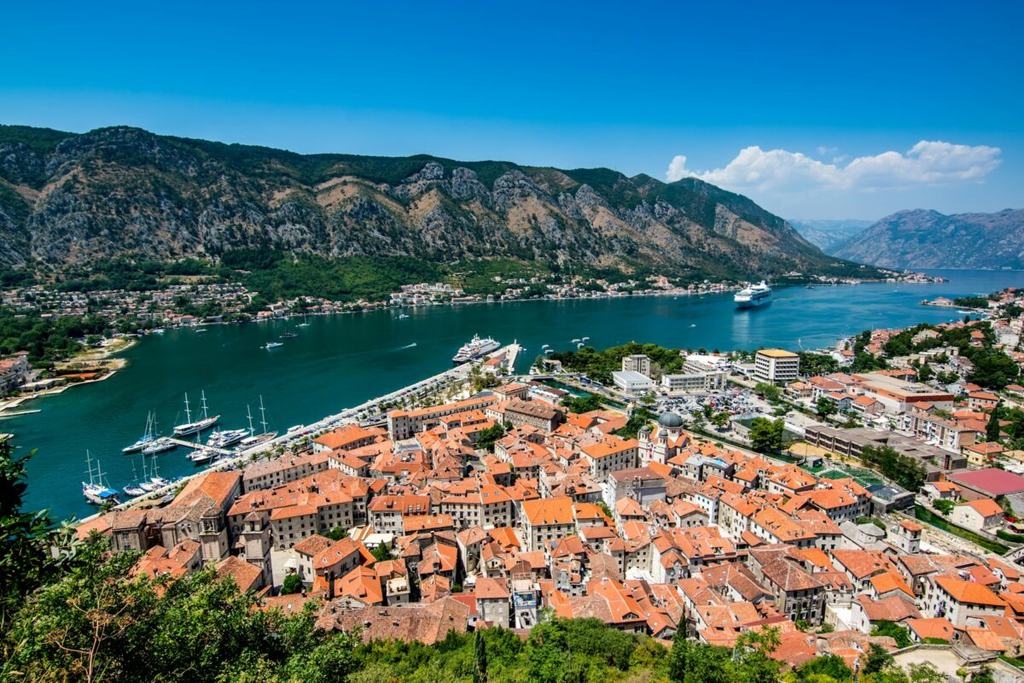
The city sits at the edge of the spectacular Bay of Kotor, an area surrounded by steep mountains and smaller historic settlements. The combination of mountains and water gives Kotor a landscape that is easy to recognize.
Montenegro is a small country in southeastern Europe. It has an Adriatic coastline and shares borders with several Balkan countries.
Kotor’s position has played an important role throughout its history. The protected waters of the bay helped support maritime trade, while the surrounding mountains provided natural protection.
Today, this location makes Kotor an attractive destination for people who want to combine a European city break with nature and outdoor experiences.
Why Is Kotor So Famous?
Kotor is famous for several reasons.
The historic Old Town is one of its biggest attractions. Inside the old city walls, visitors can find narrow stone streets, historic squares, churches, palaces, small shops, restaurants, and centuries-old buildings.
The city is also surrounded by spectacular mountains. Looking from the waterfront toward the hills gives visitors a clear idea of how unusual Kotor’s geography is.
Another major reason for its popularity is its cultural heritage. The wider region has an exceptionally long history and contains buildings and landscapes connected with different periods of European and Mediterranean history.
Kotor is also internationally recognized as a UNESCO World Heritage destination.
This combination makes it much more than a simple coastal town.
The History of Kotor
Kotor has a long and complicated history.
Different civilizations, governments, and cultural groups have influenced the area over many centuries. Its location along important maritime routes helped it become a center of trade and communication.
Ancient populations lived in the wider region before Roman influence became important. Later, the area experienced Byzantine influence and medieval political changes.
Kotor eventually became closely connected with the Venetian world. Venetian influence lasted for centuries and left a visible mark on the city’s architecture and culture.
Later historical periods brought additional changes, including Austrian, French, and Yugoslav influences.
This long history explains why Kotor does not have one simple architectural style.
Instead, the city contains layers of history.
A visitor walking through the Old Town can see evidence of different periods without traveling between different cities.
The Venetian Influence on Kotor
Venice played an important role in Kotor’s history.
For several centuries, Kotor was part of the Venetian sphere. During this period, the city developed strong connections with other Adriatic ports and communities.
The influence can still be seen in the city’s architecture.
Stone buildings, decorative details, public squares, churches, defensive structures, and former palaces all show connections with the wider Adriatic architectural tradition.
However, Kotor should not be viewed only as a Venetian city.
Its identity developed through many different historical influences. Venetian history is one important part of a much larger story.
Kotor Old Town
The Old Town is the heart of Kotor.
It is surrounded by historic defensive walls and contains a network of narrow streets and small squares.
Unlike many modern city centers, the Old Town has a compact layout. Visitors can walk from one attraction to another while discovering small details along the way.
Also Read: OTI IAS: A Complete Guide to Two Different Airport Codes
You may notice old stone doorways, traditional windows, church towers, decorative carvings, historic coats of arms, and quiet courtyards.
The Old Town is also a living part of the city. People live, work, eat, shop, and worship there.
This is important to remember when visiting.
It is not simply an open-air museum.
The best way to experience it is to walk slowly and pay attention to the details rather than rushing from one attraction to another.
Kotor and UNESCO World Heritage
The historic and natural importance of Kotor is recognized internationally.
The Natural and Culturo-Historical Region of Kotor is a UNESCO World Heritage property. The designation covers more than a single building or street.
It includes a broader cultural landscape containing historic settlements, architecture, religious buildings, natural scenery, and the surrounding bay.
This wider perspective is important.
Many visitors first discover Kotor because of its Old Town. However, the cultural importance of the area extends well beyond the city walls.
The relationship between the buildings, mountains, water, and settlements is one of the region’s most important characteristics.
Kotor’s Historic City Walls
The defensive walls are among Kotor’s most recognizable features.
They extend from the lower parts of the historic city toward the mountains and fortress area.
The walls were built and expanded over different periods as the city developed its defensive system.
Today, parts of the fortifications can be explored by visitors.
The climb can be challenging because of the steep terrain and uneven stone surfaces. However, people who complete the climb can enjoy impressive views over the Old Town and the bay.
Visitors should plan according to their fitness level and the weather.
During hot conditions, carrying water and taking breaks is especially important.
The Fortress Above Kotor
High above the Old Town is the historic fortress area.
The elevated position explains why the site was strategically valuable.
From higher points, the landscape becomes much easier to understand. You can see the compact Old Town below, the bay extending between the mountains, and the surrounding settlements.
The view also demonstrates how geography influenced the city’s development.
The mountains provided protection, while the bay offered access to maritime routes.
This combination helped Kotor become an important historical settlement.
Saint Tryphon Cathedral
Saint Tryphon Cathedral is one of the most important religious landmarks in Kotor.
The cathedral has a long history and is closely connected with the city’s religious and cultural development.
Its architecture and interior details make it an important stop for visitors interested in history and art.
The cathedral also helps demonstrate the influence of Catholic traditions in Kotor.
When visiting religious buildings, travelers should remember that these places may still be used for worship. Quiet behavior and respectful clothing are appropriate.
Other Historic Churches
Kotor contains several other historic churches.
Some are Catholic, while others reflect Orthodox Christian traditions.
This religious diversity is part of the city’s broader history.
Churches are valuable not only as places of worship but also because they preserve artwork, architecture, historical records, and local traditions.
Exploring several religious buildings can therefore provide a better understanding of Kotor than visiting only one landmark.
The Bay of Kotor
The Bay of Kotor is one of the most beautiful parts of the region.
The bay is surrounded by steep mountains and contains several historic settlements.
Its waters can appear calm and peaceful, while the mountains create a dramatic background.
The bay also explains much of Kotor’s history.
For centuries, water was an important route for transportation, trade, communication, and defense.
Today, visitors can experience the bay by road, boat, or from elevated viewpoints.
Each perspective offers something different.
Why the Bay Is So Important
The bay is more than a beautiful place for photographs.
It influenced the development of communities throughout the region.
Settlements were established along the waterfront because access to water supported trade and transportation.
At the same time, the mountains affected where roads, buildings, farms, and defensive structures could be developed.
The landscape therefore shaped human life.
This connection between nature and culture is one of the most interesting aspects of Kotor.
Perast Near Kotor
Perast is one of the best-known historic settlements near Kotor.
It is a small waterfront town with traditional stone buildings, historic churches, and beautiful views across the bay.
Two small islands near Perast are especially famous.
Our Lady of the Rocks is associated with a church and a long local tradition, while Saint George contains a historic monastery and cemetery.
A trip from Kotor to Perast can be a good way to see more of the Bay of Kotor without traveling a great distance.
Kotor’s Maritime Heritage
Kotor has always had a strong connection with the sea.
The bay provided a natural environment for ships and maritime activity.
Over time, local sailors and merchants developed connections with other communities around the Adriatic and Mediterranean.
This maritime heritage can still be felt today.
Boats move through the bay, waterfront areas remain important parts of the city, and local culture continues to reflect the relationship between land and sea.
The sea is not simply a scenic feature of Kotor.
It is one of the reasons the city became important in the first place.
Kotor’s Architecture
Architecture is one of the strongest reasons to visit Kotor.
The Old Town contains stone buildings constructed in different periods.
Visitors can see medieval features alongside later Venetian influences and other European architectural traditions.
The use of local stone gives the city a consistent visual character.
Narrow streets create shade, while small squares provide open spaces.
Church towers rise above the rooftops, creating memorable views throughout the Old Town.
Architecture lovers can spend hours simply walking and observing.
Kotor’s Streets and Squares
One of the best things about Kotor is that you do not need to visit a major attraction every few minutes.
Some of the most enjoyable moments happen while walking through ordinary streets.
Small squares can reveal cafes, historic buildings, fountains, churches, and local businesses.
A narrow passage may suddenly open into a larger public space.
This sense of discovery is part of the city’s charm.
For visitors, walking without rushing can make the experience much more rewarding.
The Culture of Kotor
Kotor’s culture reflects its location between the Balkans and the Mediterranean.
The city has been influenced by different languages, religions, political systems, artistic traditions, and trading communities.
These influences can be seen in architecture, food, music, festivals, religious traditions, and local customs.
The result is a culture that feels distinctly Montenegrin while also showing strong connections with the wider Adriatic region.
Food in Kotor
Food is another important part of experiencing Kotor.
Because the city is located on the coast, seafood is naturally common.
Visitors can also find dishes influenced by the wider Balkan region.
Typical meals may include grilled fish, seafood, meat, cheese, vegetables, bread, soups, salads, and Mediterranean-style ingredients.
Local restaurants range from casual places to more traditional dining establishments.
Trying local food can be a simple way to make a trip feel more connected to the destination.
What Makes Kotor Different From Other European Cities?
Kotor is relatively small, but it offers an unusual combination of features.
Many historic European cities have old architecture.
Many coastal destinations have beautiful water.
Many mountain destinations offer hiking.
Kotor brings all three together.
You can walk through a historic city, look toward dramatic mountains, and see the bay only a short distance away.
This combination gives Kotor its distinctive identity.
Best Things to Do in Kotor
There is plenty to do in and around the city.
Explore the Old Town
Spend time walking through the historic center and discovering its streets, squares, churches, and stone buildings.
Climb the Historic Fortifications
If you are comfortable with steep walking, explore the walls and higher fortress areas for panoramic views.
Visit Historic Churches
Explore important churches to learn more about the religious and artistic history of the city.
Take a Boat Trip
A boat trip can provide a completely different perspective of Kotor and the surrounding mountains.
Visit Perast
Take time to explore one of the bay’s most picturesque historic settlements.
Try Local Food
Choose local dishes and regional ingredients rather than eating only familiar international food.
Take Photographs
Kotor provides excellent opportunities for landscape, architecture, street, and travel photography.
Explore Beyond the Old Town
The surrounding area offers hiking, scenic drives, villages, and additional historic locations.
When Should You Visit Kotor?
Kotor can be visited throughout much of the year, but different seasons offer different experiences.
Spring is often appealing for walking and sightseeing.
Summer is lively and popular, but it can also be crowded and warm.
Autumn can offer pleasant weather and a more relaxed atmosphere.
Winter is quieter and provides a different view of the historic city, although some tourism services may operate on reduced schedules.
There is no single perfect season for everyone.
Your choice should depend on whether you care most about warm weather, hiking, sightseeing, fewer crowds, or a quieter atmosphere.
How Many Days Do You Need in Kotor?
The amount of time needed depends on your travel style.
One day is enough to see many major parts of the Old Town.
Two days allow you to explore more slowly and include additional activities.
Three or more days provide an opportunity to explore the wider Bay of Kotor and nearby towns.
If you enjoy hiking, photography, history, and relaxed travel, staying longer can be worthwhile.
Kotor rewards slow exploration.
Is Kotor Good for Families?
Kotor can be suitable for families, particularly for travelers who enjoy history and sightseeing.
Families can explore the Old Town, take boat trips, enjoy local food, and visit nearby destinations.
However, some activities require more care.
Also Read: Dihward: Meaning, Technology, Digital Innovation, Uses, Benefits, and Future
The historic streets can be uneven, and climbing the fortifications can be tiring for young children.
Families should choose activities based on age, fitness, weather, and comfort.
Is Kotor Good for Solo Travelers?
Kotor can also be an interesting destination for solo travelers.
The compact Old Town makes independent exploration relatively straightforward.
Travelers can spend the day visiting historical attractions, enjoying local restaurants, taking photographs, or joining organized activities.
As with any international destination, normal travel safety practices are sensible.
Keep valuable belongings secure, stay aware of your surroundings, and follow local rules.
Kotor for Nature Lovers
Although Kotor is famous for history, nature is just as important.
The surrounding mountains provide opportunities for hiking and scenic exploration.
The bay offers boating and other water-based experiences.
The combination of mountains, water, forests, and historic settlements makes the area especially appealing to outdoor travelers.
People who enjoy nature photography will also find many interesting viewpoints.
Kotor for History Lovers
History enthusiasts can spend several days exploring Kotor.
The city offers evidence of ancient settlement, medieval development, Venetian influence, maritime trade, religious traditions, military architecture, and modern conservation.
Instead of seeing the city as one historical period, it is more useful to see it as a timeline.
Every wall, church, palace, street, and harbor area can represent a different part of that timeline.
Kotor for Photographers
Kotor is a particularly rewarding place for photography.
The Old Town offers detailed architectural subjects.
The bay provides wide landscape views.
The mountains create dramatic backgrounds.
The defensive walls provide elevated perspectives.
Early morning and late afternoon can offer beautiful natural light.
Photographers should still respect private spaces and religious locations.
Good travel photography should capture the destination without disturbing the people who live there.
Responsible Tourism in Kotor
Kotor’s popularity creates an important responsibility for visitors.
Historic cities can be damaged by careless tourism.
Visitors should avoid touching fragile structures, removing stones, leaving litter, or entering restricted areas.
Walking on designated paths is especially important in natural and historic areas.
Supporting local businesses can also help the community benefit from tourism.
Respecting residents is equally important.
Remember that Kotor is a real community, not just a tourist attraction.
The Challenge of Modern Tourism
Tourism brings economic opportunities, but it can also create pressure.
Popular historic cities may experience traffic, crowding, waste, construction pressure, and increased demand for accommodation.
Kotor faces many of the same challenges experienced by other famous European destinations.
Protecting the city’s character requires cooperation between local authorities, residents, businesses, conservation experts, and visitors.
This is especially important because the value of Kotor depends on the survival of its historic environment.
Kotor After the 1979 Earthquake
A major earthquake struck the region in 1979 and caused extensive damage.
Historic buildings and monuments were affected.
The restoration that followed became an important part of Kotor’s modern heritage story.
The earthquake demonstrated how vulnerable historic cities can be to natural disasters.
It also showed the importance of international cooperation and careful conservation.
Today, visitors may walk through restored parts of the Old Town without realizing how much work was required to protect and rebuild the city’s heritage.
Why the Landscape Matters
One of the easiest mistakes when thinking about Kotor is to focus only on buildings.
The surrounding landscape is equally important.
The bay, mountains, waterfront, historic settlements, roads, and cultivated areas form a connected environment.
The city would look completely different without the mountains behind it.
The mountains would also have a different meaning without the historic settlements at their base.
The beauty of Kotor comes from this relationship.
Kotora Melnkalne and International Place Names
The phrase kotora melnkalne also provides an interesting lesson about international geography.
When people search for places online, they often expect one universal spelling.
In reality, place names can change across languages.
This happens because languages have different grammatical systems and pronunciation rules.
Historical names can also survive in documents long after political borders or official terminology have changed.
For this reason, learning alternative geographic names can make international research much easier.
How to Search for Kotora Melnkalne Online
If you first found the destination through the exact phrase “kotora melnkalne,” try related searches such as:
- Kotor Montenegro
- Kotor Old Town
- Kotor Bay Montenegro
- Kotor travel guide
- Kotor Montenegro history
- Kotor attractions
- Kotor historic walls
- Kotor Montenegro tourism
- Bay of Kotor
- Perast Montenegro
These related terms can help you find more information about the same destination.
For English-speaking users, “Kotor Montenegro” is generally the most useful primary search phrase.
Why Kotor Deserves More Than a Quick Visit
Many travelers visit Kotor for only a few hours.
That can provide a quick introduction, but it does not always reveal the city’s full character.
Staying longer allows you to see the Old Town when it is quieter, explore nearby communities, try local food, and experience different parts of the bay.
It also gives you more time to understand the relationship between the city and its landscape.
Kotor is a destination where slowing down can improve the experience.
Also Read: Nahttypen: The Seam Types in Sewing and Textile Construction
A Practical Kotor Travel Mindset
When visiting Kotor, it helps to think less about completing a checklist and more about experiencing a historic place.
Walk slowly.
Look at the buildings.
Learn a little about the history.
Try local food.
Spend time near the water.
Explore beyond the busiest streets.
Respect residents and historic sites.
Take photographs, but also put the camera away sometimes.
These simple choices can make a visit more memorable.
Final Thoughts About Kotora Melnkalne
The phrase “kotora melnkalne” may initially look unfamiliar, especially to English-speaking readers. However, it is associated with Kotor, Montenegro, one of the most distinctive historic destinations on the Adriatic coast.
Kotor is much more than an old European town.
It is a place where mountains meet the sea, where medieval streets connect with maritime history, and where centuries of cultural influences remain visible in everyday surroundings.
The Old Town, historic churches, defensive walls, waterfront, surrounding mountains, and Bay of Kotor all contribute to its identity.
For travelers, Kotor offers history and nature in a compact setting. For researchers, it provides an interesting example of how language can change geographical names. For photographers, it offers remarkable landscapes and architecture. For people who simply enjoy discovering new places, it provides an experience that combines culture, scenery, and history.
If you encountered the term “kotora melnkalne” while searching online, the key information to remember is simple: it points toward Kotor in Montenegro.
Understanding that connection makes it much easier to explore the destination and discover why Kotor has become one of the most recognizable historic places in the Adriatic region.
Frequently Asked Questions About Kotora Melnkalne
1. What language is associated with the phrase kotora melnkalne?
The wording is associated with Latvian geographical terminology. It represents a language-specific form connected with Kotor and Montenegro.
2. Is Kotor located in the Balkans?
Yes. Kotor is located in Montenegro, a country generally considered part of the Balkan region of southeastern Europe.
3. Does Kotor have a Mediterranean climate?
Kotor has a coastal Mediterranean-type climate, with generally warm summers and milder, wetter winters. Conditions can vary because of the surrounding mountains.
4. What currency is used in Kotor?
Montenegro uses the euro as its official currency, even though the country is not a member of the European Union.
5. Is Kotor suitable for travelers who do not speak Montenegrin?
Yes. Kotor receives international visitors, and travelers can generally find tourism services where English and other international languages are used. Learning a few simple local phrases can still make interactions more enjoyable.