Cholesterol Management for Heart Health: A Complete Guide to Protecting Your Heart Naturally
Introduction
Heart health is one of the most important aspects of overall wellness. The heart works continuously throughout life, pumping blood and oxygen to every part of the body. However, several factors can affect heart health, and one of the most common is high cholesterol.
Many people hear the word cholesterol and immediately think of something harmful. In reality, cholesterol is a substance the body needs to build cells and produce certain hormones. Problems occur when cholesterol levels become too high, especially when there is an excess of low-density lipoprotein (LDL), commonly known as “bad” cholesterol.
This is why understanding cholesterol management for heart health is so important. Proper cholesterol management can reduce the risk of heart disease, stroke, and other cardiovascular conditions. Fortunately, healthy lifestyle choices can often make a significant difference.
In this guide, we will explain cholesterol, its relationship with heart health, and practical strategies for managing cholesterol naturally and effectively.
What Is Cholesterol?
Cholesterol is a waxy substance found in your blood and body cells. Your body produces cholesterol naturally because it plays an important role in many biological functions.
Cholesterol helps:
- Build healthy cells
- Produce hormones
- Support vitamin D production
- Aid digestion
While cholesterol is necessary, having too much of certain types can create health problems.
Understanding the Different Types of Cholesterol
Not all cholesterol is the same.
LDL Cholesterol (Bad Cholesterol)
LDL cholesterol can build up inside artery walls.
When LDL levels become too high, plaque can develop in blood vessels, reducing blood flow and increasing the risk of heart disease.
HDL Cholesterol (Good Cholesterol)
HDL cholesterol helps remove excess cholesterol from the bloodstream and transports it back to the liver for processing.
Higher HDL levels are generally considered beneficial.
Triglycerides
Triglycerides are another type of fat found in the blood.
High triglyceride levels can also increase the risk of cardiovascular disease.
Total Cholesterol
Total cholesterol is the combined measurement of LDL, HDL, and other cholesterol components.
Understanding these numbers is essential for effective cholesterol management.
Why Cholesterol Management Matters for Heart Health
When cholesterol levels become unhealthy, plaque can accumulate inside the arteries.
This process can:
- Narrow blood vessels
- Restrict blood flow
- Increase blood pressure
- Raise the risk of blood clots
Over time, these effects may contribute to:
- Heart attacks
- Strokes
- Coronary artery disease
- Peripheral artery disease
Managing cholesterol helps keep arteries healthy and supports efficient circulation throughout the body.
Common Causes of High Cholesterol
Several factors can contribute to elevated cholesterol levels.
Poor Diet
Diets high in saturated fats, trans fats, and processed foods can raise LDL cholesterol.
Lack of Physical Activity
Physical inactivity can contribute to weight gain and unhealthy cholesterol levels.
Excess Body Weight
Being overweight is often associated with higher LDL cholesterol and triglycerides.
Smoking
Smoking damages blood vessels and lowers beneficial HDL cholesterol.
Family History
Genetics can influence cholesterol levels, making some individuals more prone to high cholesterol.
Age
Cholesterol levels may increase as people get older.
Understanding these risk factors can help individuals make informed health decisions.
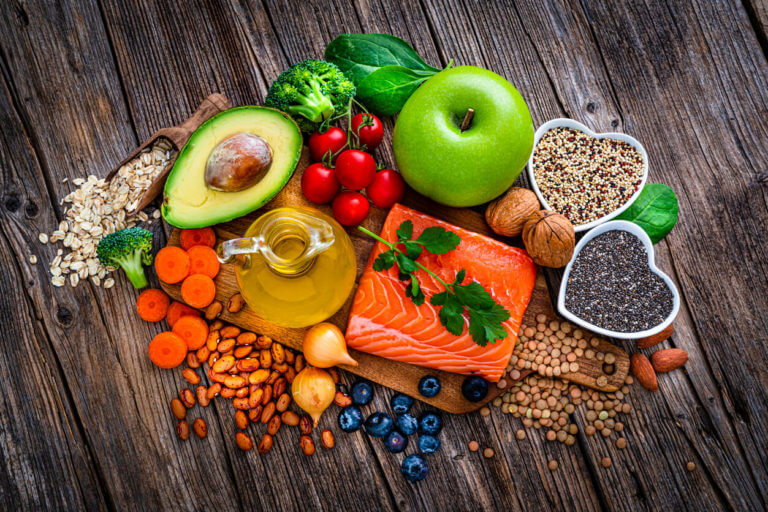
Follow a Heart-Healthy Diet
Diet is one of the most powerful tools for cholesterol management for heart health.
Foods That Support Healthy Cholesterol Levels
Focus on eating:
- Fruits
- Vegetables
- Whole grains
- Oats
- Beans
- Lentils
- Fish
- Nuts
- Seeds
These foods contain nutrients and fiber that help support heart health.
Foods to Limit
Reduce:
- Fried foods
- Fast food
- Processed meats
- Sugary snacks
- Excessive butter
- Foods containing trans fats
Making healthier food choices can significantly improve cholesterol levels over time.
Increase Fiber Intake
Fiber plays an important role in cholesterol management.
Benefits of Fiber
- Helps reduce LDL cholesterol
- Supports digestion
- Promotes satiety
- Supports weight management
High-Fiber Foods
Include:
- Oatmeal
- Apples
- Pears
- Beans
- Lentils
- Flaxseeds
- Vegetables
A diet rich in fiber can contribute to better cardiovascular health.
Exercise Regularly
Physical activity is one of the most effective natural methods for improving cholesterol levels.
Benefits of Exercise
| Benefit | Effect |
|---|---|
| Raises HDL | Improves good cholesterol |
| Lowers LDL | Reduces bad cholesterol |
| Supports Weight Loss | Improves heart health |
| Strengthens Heart | Improves circulation |
| Reduces Stress | Supports wellness |
Recommended Activities
- Walking
- Cycling
- Swimming
- Jogging
- Dancing
- Strength training
Aim for at least 150 minutes of moderate exercise per week.
Consistency is key to achieving lasting results.
Maintain a Healthy Weight
Weight management plays an important role in cholesterol control.
Benefits of maintaining a healthy weight include:
- Lower LDL cholesterol
- Reduced triglycerides
- Better blood pressure
- Improved cardiovascular health
Even modest weight loss can positively affect cholesterol levels.
Focus on sustainable habits rather than restrictive diets.
Avoid Smoking
Smoking negatively impacts cholesterol and overall heart health.
Smoking can:
- Lower HDL cholesterol
- Damage artery walls
- Increase plaque buildup
- Raise heart disease risk
Quitting smoking provides immediate and long-term health benefits.
The heart begins recovering shortly after tobacco use stops.
Limit Alcohol Consumption
While moderate alcohol consumption may fit into some lifestyles, excessive intake can increase:
- Triglyceride levels
- Blood pressure
- Weight gain
Moderation is important for maintaining healthy cholesterol levels and protecting the heart.
Manage Stress Effectively
Stress affects more than mental health.
Chronic stress may contribute to unhealthy behaviors that affect cholesterol levels, including poor eating habits and inactivity.
Stress-Management Techniques
Consider:
- Meditation
- Deep breathing
- Prayer
- Journaling
- Yoga
- Spending time outdoors
Managing stress helps support both emotional and cardiovascular wellness.
Get Enough Sleep
Sleep is often overlooked when discussing heart health.
Poor sleep can contribute to:
- Weight gain
- Inflammation
- Poor lifestyle choices
- Increased cardiovascular risk
Healthy Sleep Habits
- Maintain a regular sleep schedule.
- Avoid screens before bed.
- Keep your room comfortable.
- Limit caffeine late in the day.
Most adults should aim for seven to nine hours of quality sleep each night.
Monitor Your Cholesterol Levels
High cholesterol often has no noticeable symptoms.
This is why regular health screenings are important.
Routine blood tests can help measure:
- LDL cholesterol
- HDL cholesterol
- Triglycerides
- Total cholesterol
Knowing your numbers allows you to make informed decisions about your health.
When Medication May Be Needed
For some individuals, lifestyle changes alone may not be enough.
Healthcare providers may recommend medications if:
- Cholesterol levels remain high
- Heart disease risk is elevated
- Genetic factors contribute to high cholesterol
Medication can be highly effective when combined with healthy habits.
Always follow medical advice when managing cholesterol.
Build a Daily Heart-Healthy Routine
A simple daily routine can support cholesterol management.
| Habit | Goal |
|---|---|
| Fruits & Vegetables | Multiple servings daily |
| Exercise | 30 minutes |
| Water Intake | Adequate hydration |
| Sleep | 7–9 hours |
| Stress Relief | 10–15 minutes |
| Smoking | Avoid completely |
Small actions performed consistently often create the biggest long-term improvements.
Staying Informed About Heart Health
Education is a powerful tool for prevention.
Many people use resources such as yourassistantlive com to explore wellness, lifestyle improvement, and health-related topics. Learning more about cholesterol and heart health can help individuals make smarter choices and develop healthier habits.
The more informed you are, the better prepared you will be to protect your heart.
Benefits of Effective Cholesterol Management
Managing cholesterol successfully can provide numerous benefits:
- Reduced heart disease risk
- Lower stroke risk
- Better circulation
- Improved energy levels
- Healthier blood vessels
- Better quality of life
- Increased longevity
These benefits demonstrate why cholesterol management should be a priority for adults of all ages.
Conclusion
Cholesterol management for heart health is one of the most important steps you can take to protect your cardiovascular system and improve your overall well-being. While cholesterol is essential for normal body functions, excessive LDL cholesterol can increase the risk of serious heart-related conditions.
Fortunately, many effective strategies exist, including healthy eating, regular exercise, weight management, stress reduction, adequate sleep, and routine health screenings. These habits work together to support healthy cholesterol levels and promote long-term heart health.
By making informed choices and staying educated through resources such as yourassistantlive com, you can take control of your cholesterol levels and build a healthier future for yourself and your family.
Frequently Asked Questions (FAQs)
1. What is the best way to lower cholesterol naturally?
Healthy eating, regular exercise, weight management, and avoiding smoking are among the most effective natural methods.
2. What is the difference between LDL and HDL cholesterol?
LDL is considered “bad” cholesterol because it contributes to plaque buildup, while HDL helps remove excess cholesterol from the bloodstream.
3. Can exercise improve cholesterol levels?
Yes. Regular physical activity can lower LDL cholesterol and increase HDL cholesterol.
4. How often should cholesterol be checked?
The frequency depends on individual risk factors, but routine screenings are important for monitoring heart health.
5. Can high cholesterol cause symptoms?
High cholesterol typically does not cause noticeable symptoms, which is why regular testing is essential.
- Wollmatten: A Complete Guide to Wool Mats, Benefits, Uses, Materials, and Care
- Schedow: The Smart Scheduling and Digital Productivity
- Kotora Melnkalne: Kotor Montenegro Attractions, History & Travel
- OTI IAS: A Complete Guide to Two Different Airport Codes
- Dihward: Meaning, Technology, Digital Innovation, Uses, Benefits, and Future