Koriandri: The Fresh Green Herb, Uses, Nutrition, Storage, and Safety
Koriandri is a fresh green herb that can bring color, aroma, and a bright taste to everyday food. It is used in home kitchens, restaurants, food markets, and many traditional cuisines around the world. In the United States, people may know this herb by several names, especially cilantro and fresh coriander.
The word “koriandri” may appear in searches because different countries and languages use different names for the same plant or related parts of it. For American readers, understanding the connection between koriandri, cilantro, and coriander can make recipes, grocery shopping, and food information much easier to understand.
This guide explains what koriandri means, what plant it comes from, how it is used, how to store and wash it, how it differs from coriander seed, and what consumers should know about food safety. It also looks at its history, culinary role, nutrition, common questions, and practical ways to use this flavorful herb.
The goal is simple: provide useful, trustworthy information without exaggerating health claims or treating koriandri as a medicine.
What Is Koriandri?
Koriandri generally refers to coriander, a plant scientifically known as Coriandrum sativum. It belongs to the Apiaceae family, the same broad plant family that includes carrots, parsley, celery, and fennel.
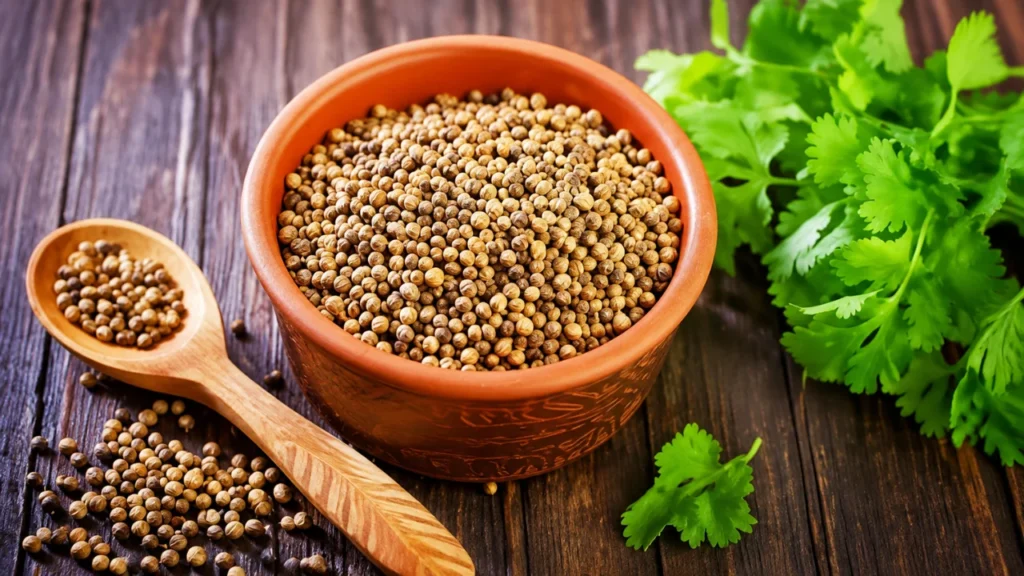
In American English, the fresh leaves and tender stems of this plant are most commonly called cilantro. The dried fruits of the plant are commonly called coriander seeds or simply coriander.
The U.S. Food and Drug Administration lists Coriandrum sativum under several names, including coriander, cilantro, Chinese parsley, and coriander-related names. The agency also recognizes coriander as a flavoring ingredient.
This naming difference can cause confusion. A person searching for koriandri may be looking for:
- Fresh cilantro leaves
- Fresh coriander
- Coriander herb
- Coriander seeds
- Coriander powder
- Information about Coriandrum sativum
- Recipes using fresh coriander
- Nutrition or food-safety information
For most U.S. grocery shoppers, however, fresh koriandri is likely to be sold as cilantro.
Koriandri at a Glance
Here is a quick overview for readers who want the basic facts.
| Feature | Information |
| Common scientific name | Coriandrum sativum |
| Plant family | Apiaceae |
| Fresh leaves commonly called in the U.S. | Cilantro |
| Dried fruit commonly called | Coriander seed |
| Main culinary role | Herb and seasoning |
| Flavor | Fresh, green, citrus-like, sometimes pungent |
| Common uses | Salsa, sauces, soups, curries, rice, salads, tacos |
| Form | Fresh, dried, whole seed, ground seed |
| Common U.S. grocery name | Cilantro |
| Plant type | Annual herb |
One important point is that fresh cilantro and coriander seed come from the same plant, but they have noticeably different flavors and culinary uses.
What Does Koriandri Taste Like?
Koriandri has a fresh, green, aromatic flavor. Many people describe it as citrusy, herbal, slightly peppery, or refreshing.
However, taste is highly personal.
Some people enjoy the fresh flavor of cilantro, while others experience a strong soapy or unpleasant taste. This difference has been studied in relation to genetic variation in how certain aroma compounds are perceived.
That means disagreement about koriandri is not necessarily about whether the herb is “good” or “bad.” Two people can eat the same leaves and genuinely experience very different flavors.
This is one reason koriandri can be an interesting ingredient when cooking for groups. If you are serving people who may not enjoy cilantro, consider serving it separately as a topping instead of mixing a large amount into the entire dish.
Also Read: MMSBRE: A Complete Guide to Business Efficiency, Technology, Customer Focus, and Sustainable Growth
Koriandri vs. Cilantro vs. Coriander
One of the most common questions about koriandri is whether it is the same as cilantro and coriander.
In many contexts, yes, they refer to the same plant, but the names can identify different parts of the plant depending on the country.
In the United States:
- Cilantro usually means the fresh green leaves and stems.
- Coriander usually means the dried seeds or fruits.
- Coriander powder means ground coriander seed.
- Coriander plant refers to the entire plant, Coriandrum sativum.
- Koriandri may be used as a regional or transliterated name for coriander or cilantro.
This difference matters when following international recipes.
For example, a recipe asking for fresh coriander may mean what an American recipe would call cilantro. A recipe asking for coriander seed is asking for a completely different ingredient in terms of flavor and texture.
Where Did Koriandri Come From?
Coriander has a long history as a culinary plant. Its use reaches back many centuries, and its name has traveled through several languages.
The English word coriander is connected to Latin coriandrum and Greek terms associated with the plant. Merriam-Webster records the first known English use of “coriander” in the 14th century.
Over time, coriander spread through different regions and became part of many food traditions.
Today, coriander and cilantro are familiar ingredients in cuisines across:
- Mexico
- Central America
- South America
- India
- Pakistan
- Bangladesh
- Thailand
- Vietnam
- China
- The Middle East
- North Africa
- Southern Europe
- The United States
Its ability to work with both fresh and cooked foods has helped make it a globally important culinary herb.
How Koriandri Is Used in Cooking
Koriandri is versatile because it can be used as a finishing herb, a blended ingredient, or part of a cooked dish.
Fresh leaves are often added near the end of cooking or after cooking. This helps preserve their bright aroma.
Common uses include:
Salsa and Fresh Sauces
Cilantro is a familiar ingredient in many types of salsa. Fresh leaves can add color and a sharp herbal note to tomato salsa, tomatillo salsa, avocado-based sauces, and other fresh mixtures.
Tacos and Mexican-Inspired Foods
In the United States, chopped cilantro is often used as a topping for tacos, burritos, rice bowls, beans, and other Mexican-inspired dishes.
Rice Dishes
Fresh koriandri can be mixed into cooked rice to add color and aroma. It can also be blended with other herbs and ingredients to create flavorful rice preparations.
Soups
A small amount of fresh cilantro can brighten soups immediately before serving.
Curries and Stews
Coriander leaves are commonly used as a finishing herb in South Asian foods. The seeds, meanwhile, are used as a spice in many curry blends and cooked dishes.
Salads
Fresh leaves can be mixed into green salads, grain salads, bean salads, and vegetable salads.
Marinades
Blended cilantro can be combined with ingredients such as citrus juice, garlic, onions, peppers, and oil to make flavorful marinades.
Dips and Spreads
Koriandri works well in fresh dips and sauces. It can be combined with ingredients such as yogurt, avocado, citrus, peppers, or legumes.
Fresh Koriandri or Dried Coriander?
Fresh koriandri and dried coriander seed should not be treated as interchangeable ingredients.
Fresh leaves have a bright, green flavor. Coriander seed has a warmer, more rounded, slightly citrus-like spice flavor.
Coriander seed is commonly toasted, ground, or added whole to cooked foods. It is also used in spice blends.
Fresh cilantro is more often chopped and added to finished dishes.
If a recipe calls for fresh cilantro, replacing it with ground coriander will change the dish significantly.
Koriandri Nutrition: What Should You Know?
Fresh koriandri is generally used in small amounts. Because of that, it is best viewed as a flavoring herb rather than a major source of calories or nutrients in a typical meal.
Fresh herbs can contribute small amounts of vitamins, minerals, and other plant compounds while adding flavor without requiring large amounts of salt, sugar, or fat.
However, online articles sometimes make very large health claims about coriander. Those claims should be treated carefully.
Koriandri is a nutritious food ingredient, but eating cilantro does not automatically treat disease, remove toxins, “clean” the blood, or replace medical treatment.
The strongest practical benefit for most people is culinary: it makes healthy and ordinary foods more appealing by adding aroma, freshness, and flavor.
Is Koriandri Good for You?
For most people, fresh koriandri can be part of a balanced diet.
Its advantages include:
- Very low typical serving size in calories
- Adds flavor to food
- Provides plant-based compounds
- Can add variety to meals
- Works with vegetables, beans, grains, meats, seafood, and sauces
- Can help make simple foods more interesting
The important distinction is between “contains useful nutrients or plant compounds” and “has proven medical effects.”
Those are not the same thing.
If you see claims that coriander can cure diabetes, eliminate heavy metals, treat infections, or replace prescription medicine, do not assume those statements are supported by strong clinical evidence.
Food can contribute to overall health, but it should not be presented as a substitute for appropriate medical care.
Koriandri and Antioxidants
Coriander contains naturally occurring plant compounds that have antioxidant activity in laboratory research.
Antioxidants are substances that can help protect cells from oxidative processes. Many herbs, fruits, vegetables, spices, nuts, seeds, and other plant foods contain antioxidant compounds.
However, laboratory findings do not automatically prove that eating a particular herb prevents or treats a disease in humans.
This distinction is important for responsible nutrition information.
A sensible approach is to enjoy koriandri as one small part of a varied diet rather than expecting a single herb to provide dramatic health effects.
Does Koriandri Help Digestion?
Coriander has a long history of traditional culinary and herbal use for digestive purposes. Coriander seed, in particular, has been used in traditional food and herbal practices.
Modern consumers should separate traditional use from proven medical treatment.
If someone has persistent abdominal pain, ongoing diarrhea, unexplained weight loss, blood in the stool, or another concerning digestive symptom, adding koriandri to food is not a substitute for medical evaluation.
For everyday cooking, however, coriander can be a pleasant way to add flavor to meals.
How to Buy Fresh Koriandri in the United States
Fresh koriandri is commonly sold in U.S. grocery stores under the name cilantro.
When shopping, look for bunches with:
- Bright green leaves
- Crisp stems
- No widespread yellowing
- No slimy leaves
- No strong unpleasant odor
- Minimal wilting
- No visible mold
The exact appearance can vary depending on the store, season, packaging, and growing conditions.
Packaged cilantro may be sold in plastic containers, bags, bunches, or other forms.
Farmers markets can also be a good place to find fresh herbs, especially when locally grown produce is in season.
How to Store Koriandri
Fresh koriandri is perishable and can lose quality quickly.
The refrigerator is generally the best place to store fresh cilantro.
The FDA recommends storing perishable vegetables, including fresh herbs, in a clean refrigerator at 40°F or below.
A practical storage method is:
- Remove damaged leaves.
- Keep the herb reasonably dry.
- Place it in a clean container or suitable produce-storage bag.
- Refrigerate promptly.
- Check it regularly and remove leaves that have become spoiled.
Different storage methods can work depending on the condition of the herb and how quickly you plan to use it.
Some people store cilantro upright with the stems in a small amount of water. Others wrap the stems and leaves loosely in a clean towel before refrigeration.
The most important goal is to slow moisture loss without creating an environment where the leaves remain wet and deteriorate rapidly.
How to Wash Koriandri Safely
Fresh koriandri should be handled like other fresh produce.
The FDA recommends washing fresh produce thoroughly under running water before preparing or eating it.
A simple approach is:
- Wash your hands before handling the herb.
- Remove damaged or visibly spoiled leaves.
- Rinse the herb under clean running water.
- Gently separate the leaves so water can reach different surfaces.
- Drain well.
- Dry with a clean towel or use a salad spinner if appropriate.
- Prepare the herb using clean utensils and surfaces.
Do not use soap, bleach, or household cleaning chemicals directly on food unless a product is specifically approved and intended for that purpose.
Washing can reduce surface contamination, but it cannot guarantee that all microorganisms have been removed.
Koriandri and Food Safety
Fresh herbs can be safe and enjoyable foods, but like other fresh produce, they can sometimes become contaminated with harmful microorganisms.
The FDA conducted a large sampling assignment involving fresh basil, cilantro, and parsley. From September 2017 through September 2021, the agency collected and tested 1,383 samples. It detected Salmonella in 17 of 1,358 tested samples, Cyclospora cayetanensis in 18 of 812 tested samples, and Shiga toxin-producing E. coli in one of 1,350 tested samples.
These findings do not mean that ordinary cilantro is generally unsafe.
The FDA states that fresh basil, cilantro, and parsley consumed in the United States are generally safe when there is no known contamination. At the same time, these herbs may be eaten without a cooking step that would reduce microbial hazards.
This is why proper handling matters.
Why Can Fresh Koriandri Become Contaminated?
Fresh herbs may be exposed to microorganisms at different points in the food supply chain.
Potential sources include:
- Irrigation water
- Soil
- Animals entering growing areas
- Harvesting equipment
- Food-contact surfaces
- Handling by workers
- Washing water
- Transportation
- Storage
- Kitchen preparation
The FDA notes that herbs can be particularly challenging because they are often grown close to the ground and are frequently harvested or handled by hand.
This does not mean consumers should avoid fresh herbs. Instead, it shows why produce safety practices are important from farms to kitchens.
Koriandri and People at Higher Risk of Foodborne Illness
Anyone can develop a foodborne illness, but certain people can experience more serious complications.
Extra caution with fresh produce is especially important for people who are:
- Older adults
- Young children
- Pregnant
- Immunocompromised
- Living with certain chronic health conditions
For people in higher-risk groups, following food-safety guidance carefully is especially important.
If there is an official recall involving cilantro or another fresh herb, consumers should follow the recall instructions rather than relying on appearance or smell to determine whether the product is safe.
Does Washing Koriandri Remove All Germs?
No.
Washing can reduce some dirt and microorganisms on produce, but it does not guarantee that every harmful microorganism will be removed.
This is one reason food safety begins before produce reaches the kitchen. The FDA has emphasized controls throughout the growing, harvesting, packing, shipping, and handling process.
Consumers can reduce risk through good hygiene and proper refrigeration, but no washing method can turn contaminated produce into guaranteed sterile food.
How Long Does Koriandri Last?
Fresh cilantro often has a relatively short shelf life.
Its quality depends on:
- How fresh it was when purchased
- Temperature
- Moisture
- Packaging
- Handling
- Storage conditions
Instead of relying only on a specific number of days, check the herb itself.
Discard it if you notice:
- Mold
- Sliminess
- Severe decay
- Strong rotten odor
- Extensive discoloration
If only a few leaves are damaged and the rest remain fresh and clean, removing the damaged portions may be reasonable. If spoilage is widespread, discard the bunch.
Can You Freeze Koriandri?
Yes, fresh cilantro can be frozen, although freezing changes its texture.
Frozen cilantro is usually better for cooked foods, sauces, soups, and blended preparations than for dishes where you want the texture of fresh leaves.
One practical method is:
- Wash the herb.
- Dry it thoroughly.
- Chop it if desired.
- Place it in an airtight freezer-safe container or bag.
- Freeze in small portions.
Freezing can help reduce food waste when you have more cilantro than you can use quickly.
Growing Koriandri at Home
Coriander is also suitable for home gardening.
It can be grown in containers, garden beds, and other appropriate growing spaces.
Basic requirements include:
- Suitable potting soil
- Good drainage
- Adequate sunlight
- Regular but not excessive watering
- A container deep enough for healthy root development
One important point is that coriander can move from leafy growth to flowering relatively quickly under certain conditions. Gardeners often call this “bolting.”
If your main goal is fresh leaves, growing conditions and harvesting timing can influence how long the plant produces useful leafy growth.
If your goal is coriander seed, flowering is not a problem. In fact, it is part of the normal life cycle needed to produce seeds.
Koriandri Seeds and Fresh Leaves Come From the Same Plant
This is one of the most useful facts about coriander.
Fresh cilantro leaves and coriander seeds are not two unrelated plants. They are different culinary forms of the same plant.
The plant produces flowers and then develops the fruits commonly referred to as coriander seeds.
The seeds are dried and used as a spice. They can be used whole or ground.
The leaves have a fresh and green flavor, while the seeds have a warmer spice profile.
This is why a kitchen can use two very different ingredients from one plant.
How to Use Coriander Seeds
Coriander seeds are common in many spice traditions.
They can be:
- Toasted
- Ground
- Added whole to soups
- Used in spice blends
- Added to marinades
- Combined with cumin
- Used in curries
- Added to roasted vegetables
- Included in pickling mixtures
Toasting coriander seeds briefly can make their aroma more noticeable. Care should be taken not to burn them because burnt spices can become bitter.
Koriandri in Mexican-Inspired Cooking
Cilantro is strongly associated with many Mexican and Mexican-American dishes.
It can be used with:
- Tomatoes
- Onions
- Lime
- Jalapeños
- Avocado
- Beans
- Corn
- Rice
- Chicken
- Fish
- Tacos
A small amount can make a simple dish taste brighter.
Because fresh cilantro has a strong aroma, adding it gradually is often better than adding a large amount immediately.
Koriandri in South Asian Cooking
Coriander has a major culinary role in South Asian food.
Fresh leaves may be used as a garnish or blended into chutneys and sauces. Coriander seeds and ground coriander are common spices in many dishes.
Also Read: Incfidelibus: Meaning, Latin Origins, Trust, Faith, and Loyalty
It can appear alongside ingredients such as:
- Cumin
- Turmeric
- Ginger
- Garlic
- Chili
- Cardamom
- Black pepper
- Yogurt
In these cuisines, the plant is valued for both its fresh leaves and dried seeds.
Koriandri in Southeast Asian Food
Fresh cilantro is also used widely in Southeast Asian cooking.
It may appear in:
- Noodle dishes
- Soups
- Salads
- Dipping sauces
- Rice dishes
- Fresh herb mixtures
In some dishes, the leaves, stems, and roots can be used differently.
The exact use varies by cuisine and recipe, so it is helpful to follow the specific instructions rather than assuming all parts of the plant taste the same.
Koriandri in American Cooking
Cilantro has become increasingly familiar to American consumers.
It is now easy to find in:
- Supermarkets
- Farmers markets
- Restaurants
- Meal kits
- Prepared foods
- Food trucks
- Mexican restaurants
- Asian restaurants
- Specialty food stores
Its popularity also reflects the growing diversity of American food culture.
People may encounter cilantro in traditional recipes, modern fusion dishes, restaurant meals, and everyday home cooking.
Common Koriandri Mistakes
Even a simple herb can be misused.
Using Too Much
Koriandri has a noticeable flavor. Too much can dominate a dish.
Cooking Fresh Leaves for Too Long
Long cooking can reduce some of the fresh aroma people associate with cilantro.
Confusing Leaves With Seeds
Fresh cilantro and coriander seeds taste very different.
Storing Wet Leaves
Excess surface moisture can encourage deterioration.
Ignoring Food Safety
Fresh herbs are often eaten raw, so washing and clean handling are important.
Treating It as Medicine
Koriandri can be part of a healthy diet, but it should not be promoted as a cure for medical conditions.
Is Koriandri Safe to Eat Every Day?
For most people, using fresh cilantro regularly as a culinary herb is reasonable.
There is no general rule that says people must avoid eating cilantro every day.
The amount matters, however. Most people consume it as a small ingredient rather than in very large quantities.
If you experience an unusual reaction after eating cilantro, stop eating it and consider discussing the reaction with a healthcare professional, especially if symptoms are severe.
Can Koriandri Cause an Allergy?
Food allergies to herbs and spices can occur, although they are not among the most common food allergies.
A person who experiences symptoms such as swelling, hives, breathing difficulty, vomiting, or other signs of a serious allergic reaction after eating an ingredient should seek appropriate medical care.
Severe allergic symptoms can require emergency treatment.
Do not assume that a food reaction is harmless simply because the ingredient is a plant or herb.
Koriandri and Drug Interactions
For ordinary culinary use, coriander is generally consumed in relatively small amounts.
However, concentrated supplements, extracts, and oils can be very different from using a few leaves in food.
People who take prescription medicines or use concentrated herbal products should not assume that “natural” automatically means risk-free.
If you are considering a coriander supplement, concentrated extract, or essential oil for a health purpose, discuss it with a qualified healthcare professional.
The culinary herb and a concentrated preparation should not be treated as equivalent.
Koriandri Essential Oil
Coriander oil is a separate concentrated product derived from the coriander plant.
The FDA lists coriander oil among substances used as a flavoring agent or adjuvant.
That does not mean coriander essential oil should be consumed casually.
Essential oils are highly concentrated compared with ordinary culinary herbs. Their safe use depends on the specific product, concentration, route of exposure, and intended purpose.
For everyday cooking, fresh cilantro and culinary coriander seed are much more relevant than concentrated essential oil.
Why Koriandri Matters in Food Safety
The history of fresh cilantro safety in the United States shows why consumers should pay attention to food handling.
The FDA has investigated contamination involving cilantro and has worked with international partners to improve produce safety.
For example, the FDA and Mexican food-safety authorities developed measures intended to improve the safety of fresh cilantro after investigations into outbreaks of cyclosporiasis associated with fresh cilantro from Mexico.
More recent FDA sampling has continued to examine fresh herbs for pathogens such as Salmonella, Cyclospora cayetanensis, and Shiga toxin-producing E. coli.
This history is useful because it demonstrates that food safety is an ongoing process rather than a one-time issue.
How to Make Koriandri Part of a Balanced Diet
A practical approach is to use koriandri to make nutritious foods more appealing.
For example, you can add it to:
- Beans
- Lentils
- Whole grains
- Vegetable soups
- Fresh salads
- Roasted vegetables
- Homemade salsa
- Fish
- Chicken
- Rice bowls
- Bean tacos
- Yogurt-based sauces
Instead of focusing on a single “superfood,” think about how herbs can help create meals with a wide variety of vegetables, legumes, whole grains, fruits, protein sources, and healthy fats.
Flavor is part of healthy eating because food that tastes good can be easier to enjoy consistently.
Koriandri Search Intent: What Are People Looking For?
People searching for “koriandri” may have different goals.
Some may simply want to know what the word means. Others may be looking for a translation, recipe ingredient, nutrition information, or information about the plant.
Common search intentions include:
- “What is koriandri?”
- “Is koriandri cilantro?”
- “Koriandri in English”
- “How to use koriandri”
- “Koriandri benefits”
- “How to store koriandri”
- “How to wash cilantro”
- “Coriander vs cilantro”
- “What does koriandri taste like?”
- “Can I grow koriandri at home?”
Understanding this search intent is useful because the word may not be the standard grocery-store term used in the United States.
For U.S. shoppers, searching for “cilantro” may produce more relevant grocery and recipe results.
Koriandri and Digital Food Literacy
The internet contains a huge amount of information about herbs, spices, nutrition, and natural remedies.
Not all of that information is equally reliable.
When researching koriandri, readers should be cautious about pages that:
- Promise instant health benefits
- Claim one herb cures multiple diseases
- Recommend replacing medical treatment
- Use dramatic language without evidence
- Confuse laboratory studies with human clinical research
- Sell a supplement while making medical claims
- Do not identify where their information came from
For food safety information, government agencies and established public-health organizations are useful starting points.
For medical questions, qualified healthcare professionals and evidence-based medical resources are more appropriate than social media posts or anonymous blogs.
Also Read: Transjoaimo: The Brazilian Road Transport and Logistics Services
Frequently Asked Questions About Koriandri
1. Is koriandri the same as parsley?
No. Koriandri generally refers to coriander or cilantro, while parsley comes from a different plant. The leaves can look somewhat similar, especially to an inexperienced cook, but their flavors are different. Cilantro usually has a stronger, more distinctive aroma.
2. Can koriandri be used in drinks?
Yes. Fresh cilantro can be used in some beverages, particularly savory or blended drinks. It may be combined with ingredients such as lime, cucumber, vegetables, or other herbs. The flavor is strong, so small amounts are often enough.
3. Why does koriandri taste like soap to some people?
Some people have genetic differences that affect how they perceive certain aroma compounds in cilantro. As a result, the same herb can taste fresh and citrusy to one person and strongly soapy to another.
4. Can you eat koriandri stems?
Yes. Tender cilantro stems are edible and can contain plenty of flavor. Very thick or tough stems may be less pleasant to eat, but soft stems can be chopped and included in sauces, salsas, soups, and other dishes.
5. Can koriandri grow indoors?
Yes. Coriander can be grown indoors if it receives suitable light, has adequate drainage, and is grown in an appropriate container. A sunny window may work, although indoor light levels vary. A small growing light can be useful when natural light is insufficient.
Practical Koriandri Tips for Beginners
If you have never cooked with koriandri before, start small.
Wash the fresh herb, remove damaged leaves, and chop a small amount. Add it to a dish near the end of cooking or use it as a topping.
Taste the food before adding more.
This approach is useful because koriandri can have a strong flavor. You can always add more, but it is harder to remove a large amount once it has been mixed into the dish.
For coriander seeds, try lightly toasting a small quantity before grinding it. This can bring out the spice’s aroma.
Conclusion
Koriandri is a simple but versatile herb that has earned an important place in kitchens around the world. Known as cilantro in the United States and commonly associated with coriander, it can add fresh color, aroma, and flavor to many everyday foods. From salsa, tacos, salads, soups, and rice dishes to curries, sauces, and marinades, koriandri can make meals more enjoyable without requiring complicated preparation.
Understanding the difference between fresh cilantro leaves and coriander seeds is especially useful for American cooks, as the two come from the same plant but have very different flavors and uses. Fresh koriandri is best enjoyed as part of a varied, balanced diet rather than being viewed as a cure or replacement for medical treatment.
Proper handling is also important. Choose fresh-looking herbs, wash them under running water, store them correctly in the refrigerator, and follow current food-safety guidance. With these simple habits, koriandri can be a flavorful and practical addition to everyday cooking.
Whether you are discovering koriandri for the first time, looking for new recipe ideas, or learning how to store fresh cilantro, this herb offers plenty of culinary possibilities. Its long history, distinctive flavor, and versatility make koriandri a valuable ingredient for both traditional recipes and modern American cooking.